
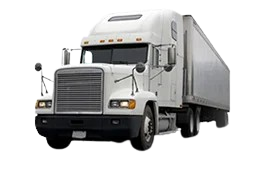
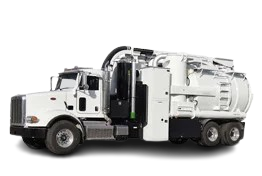
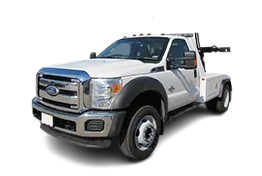
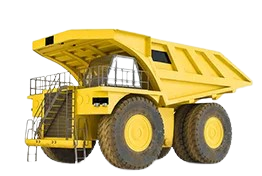
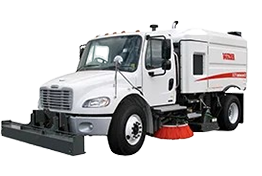
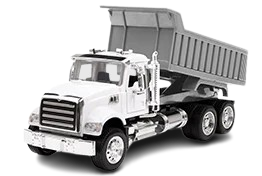
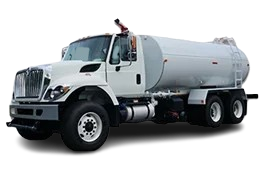
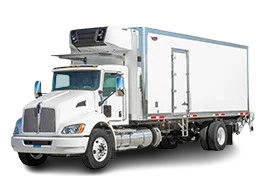

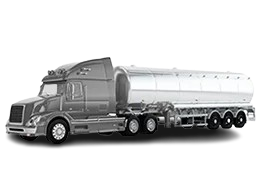
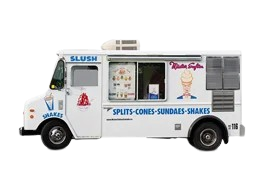
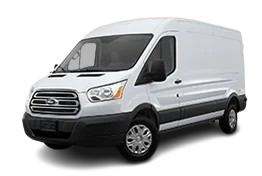
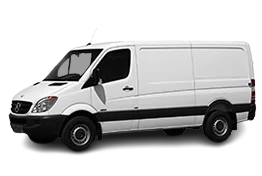
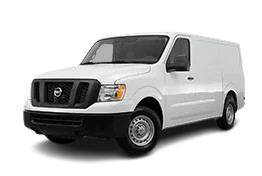
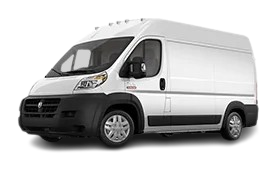

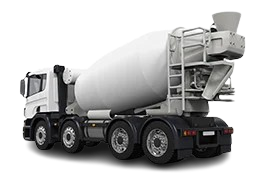
A 4G vehicle camera is mounted on a vehicle and uses a 4G mobile network to send live video to a phone or computer. The camera travels with the vehicle, so the remote viewer sees whatever is in frame from that vehicle’s mounting position. A camera inside a delivery truck can show its cargo area. A camera on the same truck, aimed at the fuel filler, can show activity around its tank. As long as the camera has power and cellular coverage, authorized staff can open the feed while the vehicle is out on a route or parked away from the depot.
Monitoring Cargo Inside the Delivery Vehicle
An onboard cargo camera lets the transport office see what is happening inside a particular truck while it is being loaded or unloaded. For example, a driver on a multi-stop route may notice that pallets for two customers have been staged together near the cargo door. If the pallets can be identified in the live feed, a supervisor can check their positions against the loading plan before freight comes off at the wrong address.
The same view helps if a receiver pauses unloading over a damaged pallet. With the camera aimed at the cargo area, staff can see the pallet while it is still on the truck and agree with the receiver on what to document before it is moved. A recording can also help the office review the handoff if the customer raises the issue later.
Checking What the Driver Can See During a Delay
A camera mounted on a truck can give dispatch a live view of what is ahead of that truck when the driver reports a delay. Suppose a driver stops on the approach to a distribution center. A GPS update shows the truck’s location. If the queue and entrance are in the camera’s field of view, the dispatcher can see whether the line is moving or the gate is blocked.
The next step depends on what is happening at the vehicle. Dispatch might give the next customer a revised arrival time or call the distribution center to ask about another entrance. If the truck is around a bend and the gate is outside the frame, the driver can describe what the office cannot see.
Supporting Boarding on Buses and Coaches
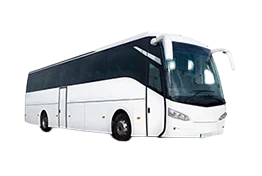
A camera mounted near a coach’s passenger door gives the control room a live view of boarding at that vehicle. At a busy terminal, a driver might ask for help when passengers with luggage bunch up at the entrance. From the onboard feed, the controller can see where the line is getting held up and ask terminal staff to assist at that coach.
A camera covering the luggage compartment serves a different purpose. If the driver asks for another handler, the controller can check whether bags are still being loaded at the compartment and direct help there while the coach is at the bay.
Monitoring Work at the Vehicle’s Operating Point
A camera on a refuse truck can give a supervisor a live view of the container and the space around it when the crew reaches a collection point. If a parked car is blocking access to the container, the supervisor can check what is visible from the truck and call the property manager while the crew is still there. That gives the team time to decide whether to wait for access or continue the route and return later.
On a construction vehicle, a camera aimed at the discharge area can show what is happening where the truck is positioned. If the designated unloading point is occupied, the supervisor can check the part of the work area visible from the truck and coordinate with the crew on site before unloading begins.
Monitoring a Truck’s Fuel Tank While It Is Parked
A camera mounted on a truck and aimed at its fuel filler lets fleet staff check activity around that truck during an overnight stop. If a driver reports someone near the tank or a configured alert flags activity there, the person on duty can open the live feed. A clear view of the filler area may show whether someone is walking past, standing beside the truck, or handling the cap. That helps staff decide whether to contact the driver or ask site security to check the vehicle.
The installation matters after dark. The camera needs to remain powered with the ignition off, the filler area needs to be visible in the available lighting, and the truck needs cellular coverage for the feed to reach the office.
This is where AOTOP’s Máy ảnh mạng 4G không thấm nước 1080P dành cho xe ô tô fits into the fleet’s work. Mounted on the truck with its own fuel filler in frame, it lets the person on duty open that view through the app or web platform. If activity is still underway, the office can ask someone nearby to check the truck. If it has ended, playback can help show what happened. For a truck parked far from its depot, the immediate use is simple: the office can see what is happening at that truck while there is still time to respond.

 English
 English (UK)
 English (Canada)
 English (Australia)
 English (New Zealand)
 Deutsch
 Français
 Italiano
 Español de Argentina
 Español de Chile
 Español de México
 ਪੰਜਾਬੀ
 Slovenčina
 Português
 Nederlands (België)
 Polski
 Türkçe
 Português do Brasil
 日本語
 한국어
 Русский
 العربية
 ไทย
 Tiếng Việt