

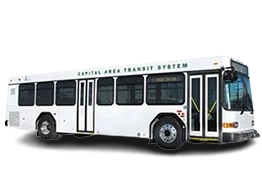
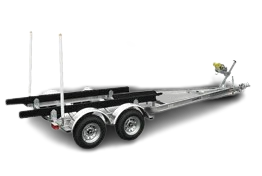
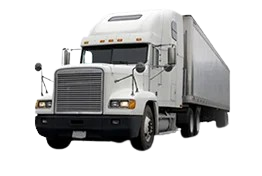
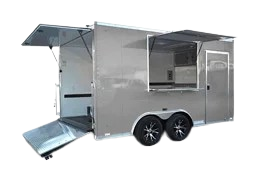
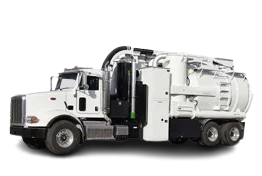
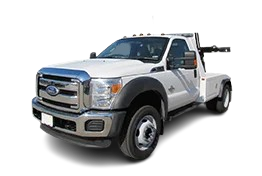
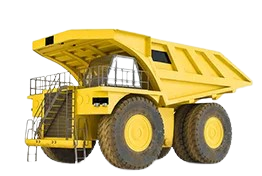
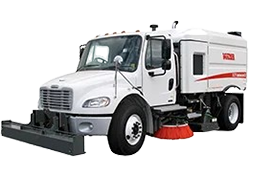
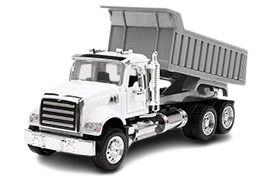
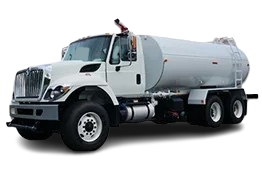
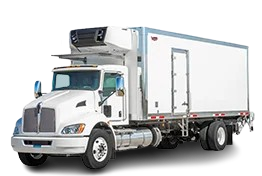

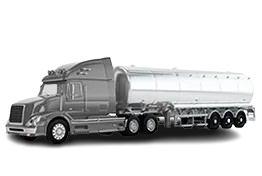


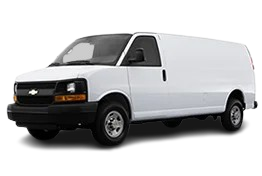
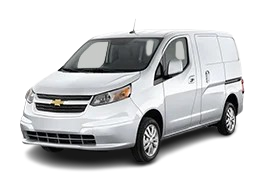
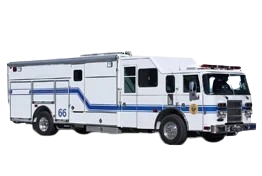
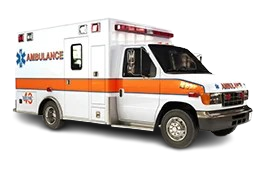
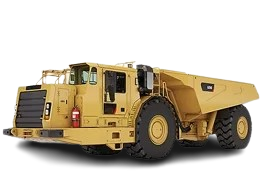
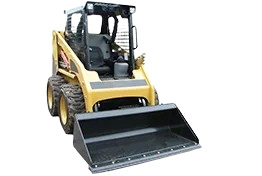
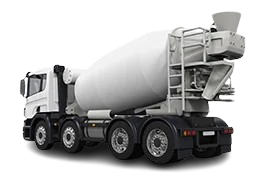
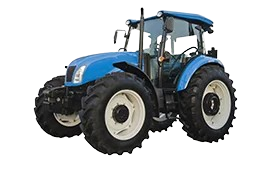
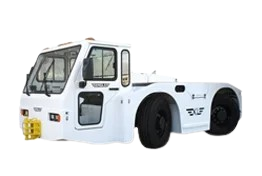
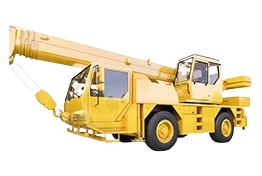
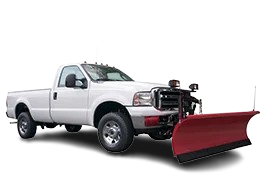
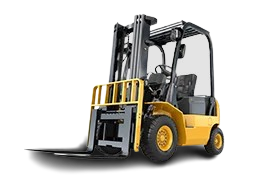
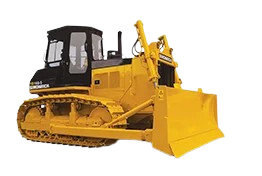
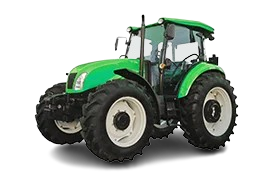
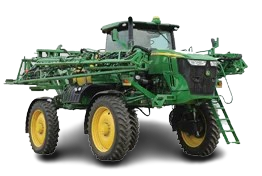
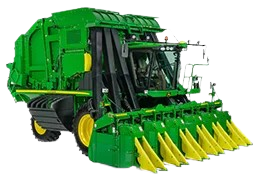
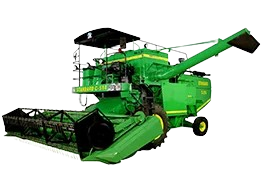
In modern vehicle monitoring systems, image clarity and transmission stability directly affect the driver’s ability to observe blind areas around the vehicle. For commercial vehicles such as trucks, buses, forklifts, and construction machinery, traditional analog cameras often struggle to provide sufficient image quality over long cable distances.
This is where AHD (Analog High Definition) camera technology becomes widely used in vehicle safety systems.
What Is an AHD Camera?
An AHD camera (Analog High Definition camera) is a type of video camera that transmits high-definition video signals over standard video extension cables.
Unlike traditional analog cameras that typically provide CVBS resolution (around 480–700 TVL), AHD cameras support HD resolutions such as 720P, 1080P and even higher, while maintaining the simplicity and reliability of analog transmission.
The technology to bridge the gap between traditional analog CCTV systems and modern digital HD systems. It allows users to obtain high-definition images without needing complex network configurations or expensive digital infrastructure.
In vehicle monitoring systems, AHD cameras are commonly connected to AHD vehicle monitors or DVR systems, providing clear real-time video for drivers.
How AHD Technology Works?
AHD cameras capture HD video through an image sensor and convert the signal into an analog HD format that can travel through extension cables without significant delay.
The system typically includes:
- AHD camera
- Extension video cable
- AHD compatible monitor or DVR
Because the transmission is analog, the system provides real-time video with nearly zero latency, which is essential for vehicle operation and safety monitoring.
Key Advantages of AHD Cameras
1. High-Definition Image Quality
One of the biggest advantages of AHD cameras is the ability to deliver HD video quality while using analog transmission.
Compared with regular analog cameras, AHD cameras provide:
Clearer object recognition
Improved detail at longer distances
Better visibility of pedestrians or obstacles
For large vehicles with significant blind zones, higher image clarity helps drivers better understand their surroundings.
2. Long-Distance Signal Transmission
AHD technology supports long cable transmission without significant signal degradation.
Typical transmission distances can reach:
Up to 500 meters (1640ft) for 720P signals
Around 300 meters (984ft) for 1080P signals
This makes AHD cameras particularly suitable for large commercial vehicles, trailers, buses and industrial equipment, where the camera and monitor may be installed far apart.
3. Low Latency for Real-Time Monitoring
Unlike IP cameras that rely on digital encoding and network transmission, AHD cameras transmit uncompressed analog HD signals.
This provides:
Near zero transmission delay
Smooth real-time viewing
Immediate driver response
In reversing or maneuvering situations, even a small delay can affect safety, making AHD technology ideal for vehicle camera systems.
4. Strong Anti-Interference Performance
Vehicle environments can introduce electrical noise from engines, motors and power systems.
AHD cameras are designed with stable analog signal transmission, helping reduce interference issues in complex operating environments such as:
Construction sites
Logistics yards
Agricultural fields
Industrial facilities
5. Cost-Effective HD Solution
Compared with fully digital IP camera systems, AHD camera systems are more cost-efficient while still delivering HD image quality.
Advantages include:
Lower equipment cost
Simple wiring
Easy installation
Minimal configuration requirements
For fleets and industrial vehicles, this makes AHD systems a practical solution.
Typical Applications of AHD Cameras
AHD camera systems are widely used in vehicle safety monitoring, especially where blind spot visibility is critical.
Common applications include:
Truck reversing camera systems
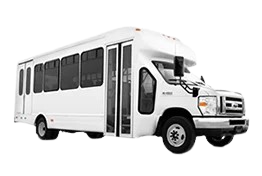
Bus side view monitoring
Forklift front view cameras
Construction machinery monitoring
Agricultural equipment safety cameras
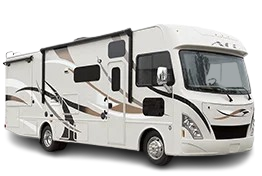
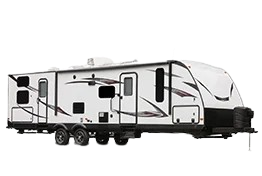
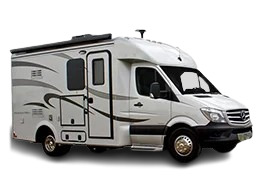
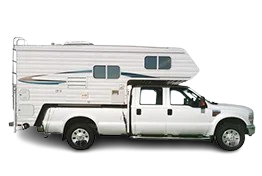
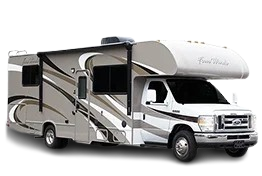
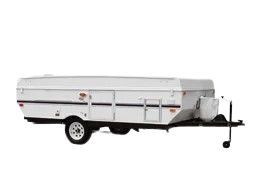
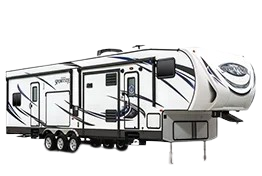
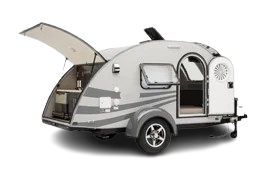
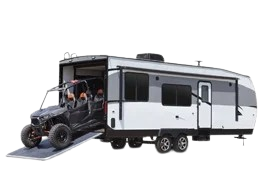
Trailer and RVs rear view systems
By providing clear video of blind areas around the vehicle, these systems help drivers better understand their surroundings during reversing, turning or operating in confined spaces.
AOTOP AHD Vehicle Camera Solutions
With nearly two decades of experience in vehicle vision safety technology, AOTOP develops professional AHD vehicle camera systems designed specifically for commercial vehicles and industrial equipment.
AOTOP’s AHD solutions typically feature:
1080P HD AHD cameras for clear monitoring
IP68 waterproof housing for harsh environments
Wide viewing angles to expand side and rear visibility
Multi-channel vehicle monitors supporting 4-camera input
Reliable operation in trucks, forklifts, buses, RVs and construction vehicles
These systems help drivers observe areas that are difficult to see through mirrors alone, improving operational awareness during reversing, maneuvering, and equipment operation.
Conclusion
AHD camera technology provides a practical balance between high-definition image quality and reliable analog transmission. Its advantages in low latency, long-distance signal transmission and cost efficiency make it particularly suitable for vehicle safety monitoring systems.
For commercial fleets and heavy-duty vehicles, AHD cameras remain one of the most dependable solutions for improving visibility around the vehicle and assisting drivers in navigating blind zones.