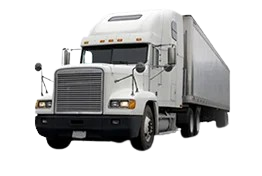
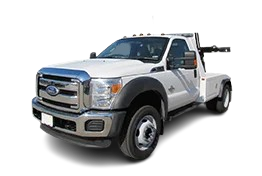
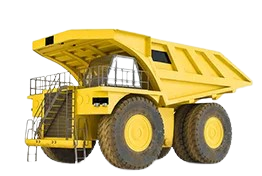
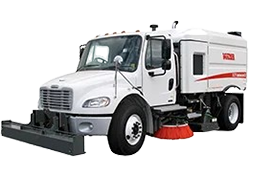
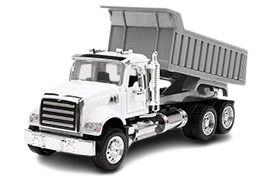

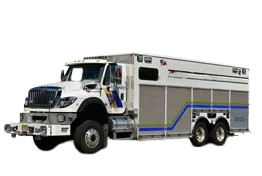
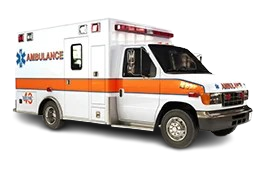
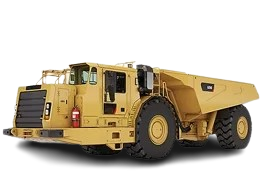
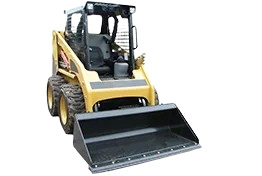
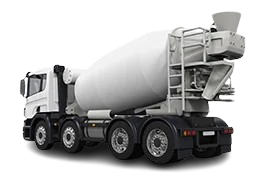
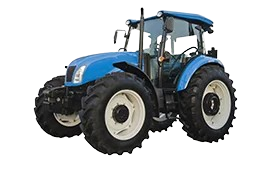
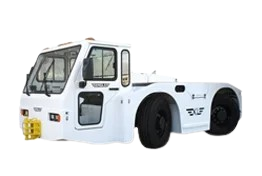
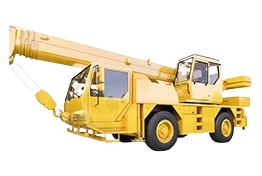
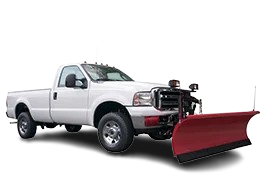
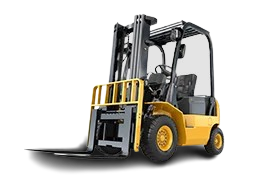
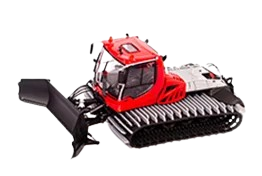
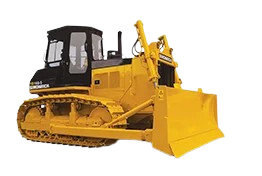
If you’re specifying a camera system for a large vehicle, the first question is often: Do we really need multiple cameras?
A more practical question is: Which blind zones are you willing to accept—and which ones will become incidents, downtime, and claims?
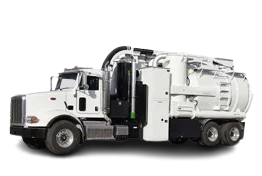
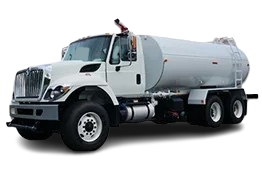
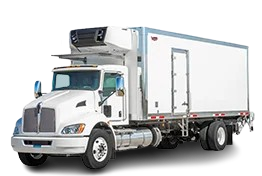
Large vehicles aren’t just “bigger cars.” Their geometry creates visibility gaps that mirrors and a single rear camera can’t reliably cover—especially in low-speed, high-consequence moments like curbside stops, yards, loading bays, worksites, and tight urban turns.
Bottom line: multi-camera systems reduce risk by covering distinct blind zones so the driver doesn’t have to constantly “mentally merge” mirrors and partial views while the vehicle is moving.
Why Large Vehicles Need Multiple Cameras?
Blind zones on heavy vehicles are predictable. They come from the physical shape of the vehicle and how it moves, not from driver skill alone.
Common causes:
- Length and height: a higher cab and longer rear overhang hide people and objects close to the body
- Wide turns: front-corner and curb-side turn zones can disappear from mirrors at exactly the wrong time
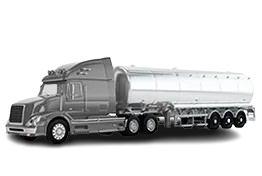
- Articulation: tractor-trailer behavior creates off-tracking and swing that’s hard to judge from a single viewpoint
- Frequent reversing and docking: many costly incidents happen below 10 km/h
- Mixed environments: the same truck must handle highways, city streets, and cluttered depots
Multi-camera coverage is simply redundancy for visibility. It doesn’t remove the need for training—but it reduces how often safety depends on perfect head checks.
What Cameras You Actually Need: Roles, Not “More Channels”!
Treat each camera as a job. If the job doesn’t map to your incident profile, adding the channel won’t help.
- Front camera: Covers start-of-motion and front-corner blind zones. Most useful when pulling off at stops and maneuvering in yards; without it, close-range strikes and near-misses are easier to miss.
- Rear camera: Supports backing, docking, and coupling. It reduces low-speed reversing incidents and makes coupling guidance more consistent.
- Left/right side cameras: Cover lane-change and turn-zone awareness. They’re the workhorses for urban merges and tight lanes where side-swipes and curb-side conflicts happen.
- Passenger door or curb-side stop camera: Protects the door/step zone for buses and shuttle-style operations. It helps prevent door-zone incidents and improves visibility during boarding and alighting.
- Interior camera: Provides context for coaching and investigations. It can improve root-cause clarity, but it also requires clear governance to avoid privacy pushback.
- Trailer or rear-of-trailer camera: Shows the true rear of articulated vehicles. Without it, tractor-mounted views can leave the last meters effectively unmonitored.
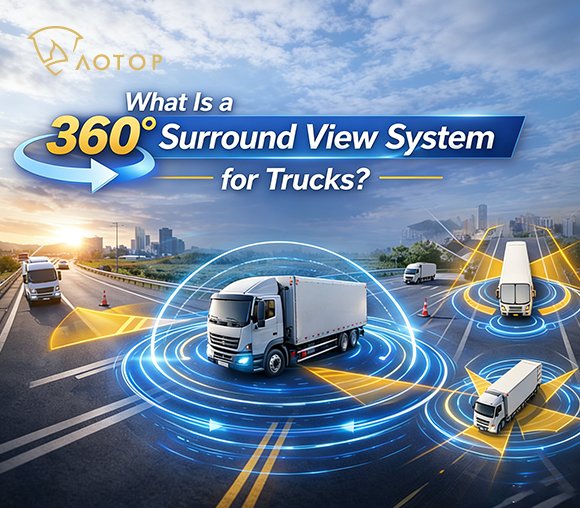
- 360 stitched surround view: Combines 4+ cameras into one spatial model for tight maneuvering. It’s most valuable when drivers would otherwise have to scan and mentally merge multiple feeds.
Choosing Camera Count: A Simple Decision Rule
Most fleets land in one of these patterns:
- 2–3 cameras (front + rear, optional curb-side): stronger backing and pull-off visibility, but meaningful side/turn blind zones remain.
- 4 cameras (front + rear + left + right): the practical minimum for perimeter coverage, and a foundation for stitched surround view.
- 6–8 cameras: add only for repeat-risk zones (passenger door, trailer tail, interior context, cargo/worksite views).
If you’re stuck between “4 vs 6,” don’t debate camera count in the abstract. Start with your top two incident types and add one camera for the zone that keeps producing claims.
Frequently Asked Questions (FAQ)
Ⅰ.What Is A Multi Camera System for Trucks?
A multi camera system for trucks is a vehicle monitoring solution that combines multiple cameras—typically front, rear and side—into a single display. It helps drivers monitor different areas around the vehicle in real time and improves overall visibility during operation.
Ⅱ.Do Trucks Still Need A Rear View Camera If They Have Multiple Cameras?
Yes. A rear view camera remains a important part of any truck camera system. In a multi camera setup, the rear camera works together with front and side cameras to provide more complete visibility rather than being replaced.
Ⅲ.What Are the Benefits of A Multi Camera System for Large Vehicles?
A multi camera system helps expand the driver’s field of view, improve maneuvering accuracy, and support safer operation in complex environments. It is widely used in truck fleets, construction equipment, and industrial vehicles.
Ⅳ.Where Should Cameras be Installed on A Truck?
Typical camera positions include the rear (for reversing), the front (for forward visibility), and both sides (for blind spot coverage). The exact configuration depends on the vehicle type and application.
Ⅴ.What Is the Difference Between A 360° Surround View System and A Multi Camera System?
A multi camera system displays individual camera views, while a 360° surround view system stitches multiple camera feeds into a bird’s-eye view. Both are used to improve visibility, depending on operational needs.
Ⅵ.Can A Multi Camera System Record Video Footage?
Yes. When integrated with a video storage unit such as an MDVR, a multi camera system can record footage across multiple channels. This provides visual records of driving conditions and incidents, helping support post-event review and offering reference in the event of disputes or liability assessment.