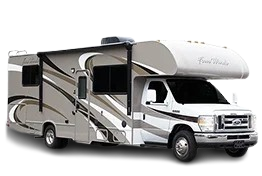
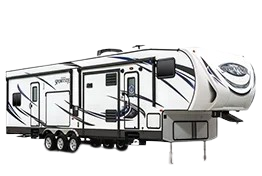


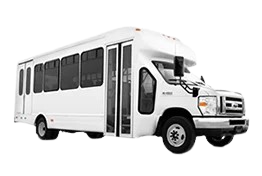
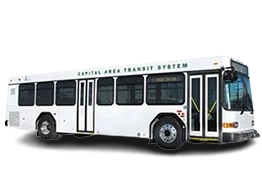

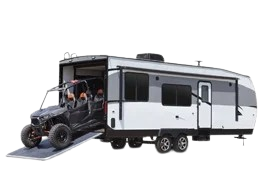
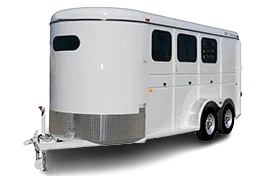
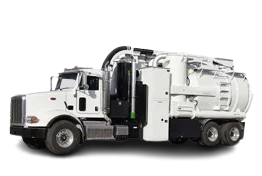
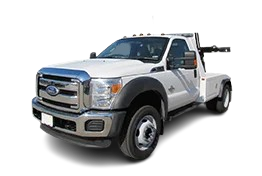
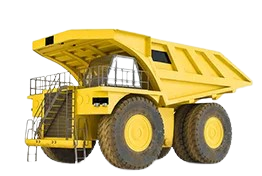
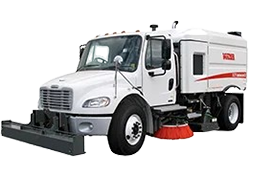
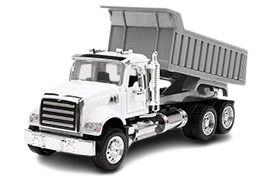
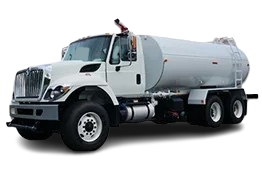
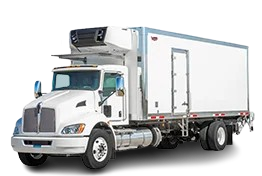

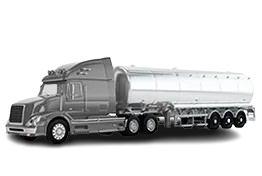
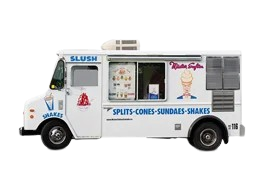
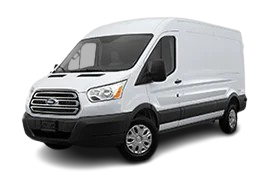

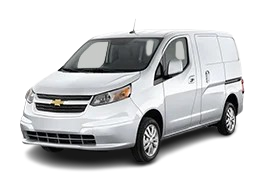
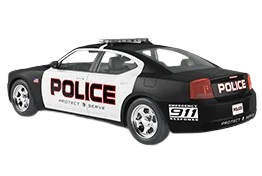
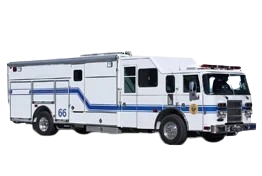
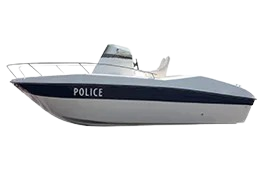
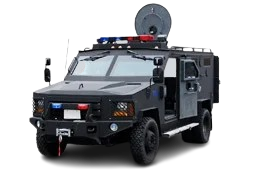
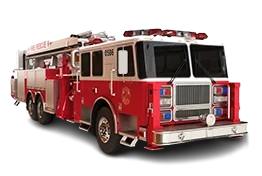
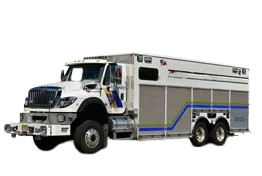
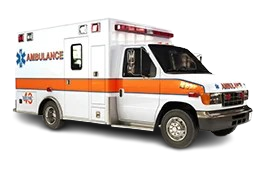
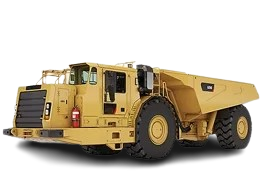
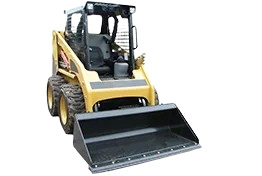
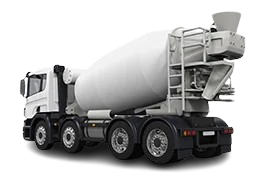
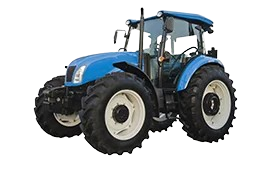
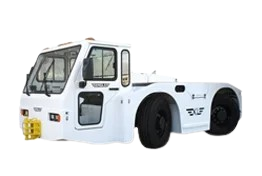
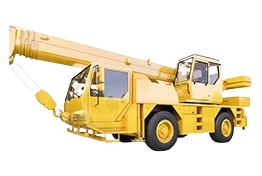
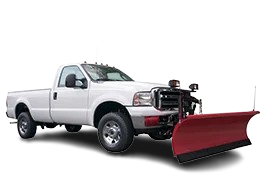
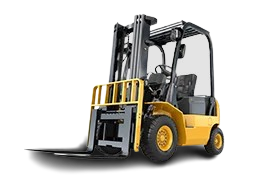

As global transportation continues to evolve, the safety of heavy-duty vehicles is shifting from a matter of driver skill to a question of whether the vehicle can maintain stable, complete, real-time awareness of its surroundings. From North American school buses to Europe city transit, Middle Eastern long-haul fleets and mining or construction equipment, a common trend is emerging worldwide: visibility —not driving technique— is increasingly determining safety outcomes. This change is not driven by technology alone but by a reality long overlooked in the industry — the traditional visibility tools used by large vehicles can no longer keep pace with the complexity of modern roads.
Ⅰ. Insufficient View is A Structural Risk of Large Vehicles, Not A Driving Problem
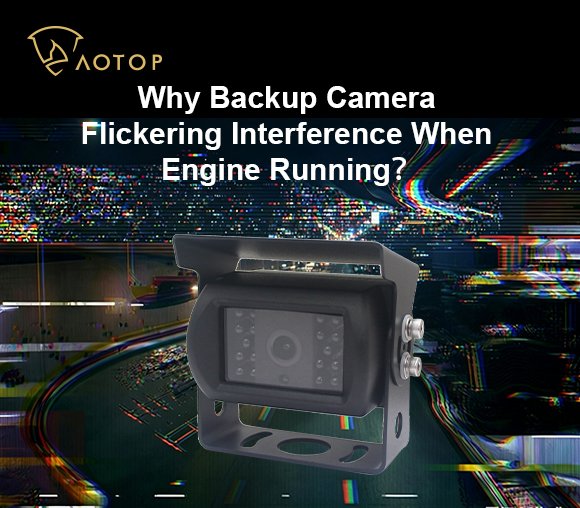
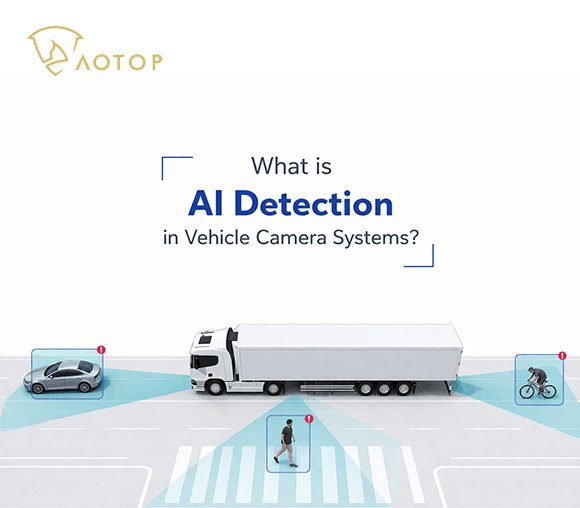
Accident data from the past two decades show that many serious incident involving large vehicle occur not because drivers make poor decisions, but because they simply cannot see what is happening around them. Blind spots in front of the vehicle, the high-risk right-side area where pedestrians and cyclists often appear, low objects hidden behind the vehicle and reduced mirror performance at night or in bad weather all contribute to risks that cannot be solved by experience alone. As long as these blind spots exist, the safety ceiling of any heavy-duty vehicle will always be limited by its visibility foundation. This is also why Rear View Blind Spot Monitoring, Vehicle Camera Systems and AI Detection Systems are rapidly becoming standard equipment in heavy vehicles.
Ⅱ. Road Environments Are Becoming More Complex, but Vehicle Visibility Tools Remain Stuck in the Past
At the same time, global road environments are becoming more complex year by year. Pedestrian & cyclist populations continue to rise, urban logistics vehicles are entering tighter residential and commercial zones, school and transit loading areas are busier than ever and road density has increased without a corresponding increase in road width. With more nighttime operations and more frequent severe-weather driving, the demands placed on drivers are growing quickly. Yet the visibility tools available to them —regular mirrors— remain largely unchanged. This imbalance means that even well-trained drivers cannot keep up with the pace of environmental change, making more stable and complete visual systems not just helpful but necessary.
Ⅲ. Global Regulations Are Converging: Heavy-Duty Vehicles Must “See More”
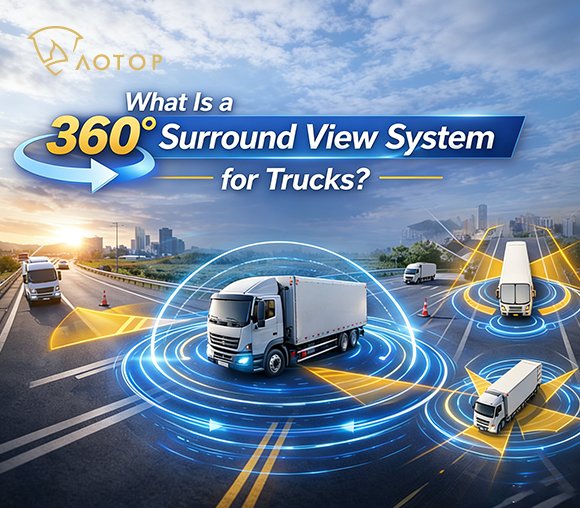
Regulations around the world are now catching up to these long-standing risks. In recent years, we’ve seen a clear alignment in policy direction: the EU now requires better front and side blind-spot visibility; several U.S. states mandate external cameras and interior monitoring for school buses; transit fleets across North America and Europe widely adopt rear cameras; 360° visibility systems have become mandatory in construction and mining; and Middle Eastern markets are introducing AI-based exterior detection and driver-monitoring requirements. These regulations do not exist to promote the use of cameras — they exist because accident data repeatedly shows that crashes occur in areas drivers cannot directly see.
Ⅳ. Fleet Digitalization is Amplifying the Value of Visual Systems: Safety Management is Entering A “Traceable, Measurable and Analyzable” Stage
Meanwhile, fleet digitalization in Europe and the US is reshaping how visual data is used. Modern vision systems, when paired with MDVRs or cloud platforms, now provide incident video, driver-behavior insights, evidence for loading-zone safety, nighttime security footage and remote viewing of vehicle conditions. This shift allows fleets to move from intuition-based management to traceable and measurable processes, improving training quality, reducing disputes, and enabling more accurate evaluations. Vision systems have therefore become more than just a driving aid — they are now a core part of safety management.
Ⅴ. Conclusion
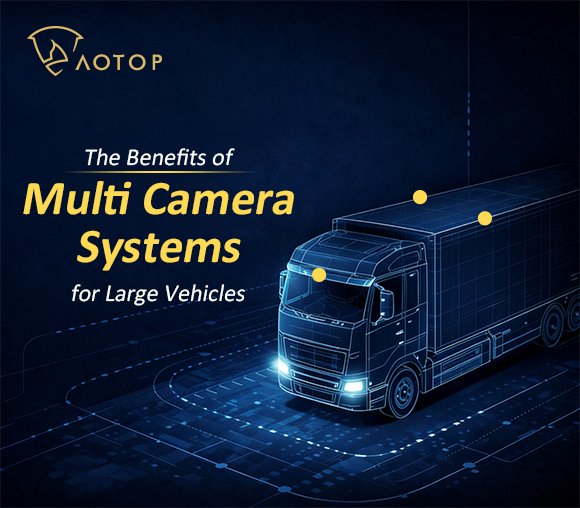
Bringing these trends together — structural blind spots, rising road complexity, global regulatory alignment, and accelerated fleet digitalization — the conclusion is clear: vision systems are becoming a core capability for heavy-duty vehicles, not optional add-ons. Whether through 360 Camera System, AI Blind-Spot Detection, Front Pedestrian Alerts or Rear View Backup Monitoring Solutions, vehicles increasingly rely on stable and comprehensive visual awareness to operate safely in modern environments. For fleets seeking practical and scalable ways to enhance operational safety, reduce risk, and meet compliance requirements, adopting professional industrial vehicle safety solutions has become an essential step in building long-term safety capability across diverse applications.
Since 2005, AOTOP specialize development in commercial vehicles safety system, committed to improving the road driving safety. With decades of expertise, we offer comprehensive range of innovative safety vision products designed to protect drivers, vehicle and pedestrian. If you are looking for a reliable visual safety solution for your fleet or want to learn more about vehicle safety solutions across different industries, please visit our Vision Solution page.