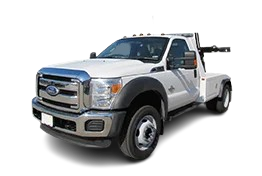
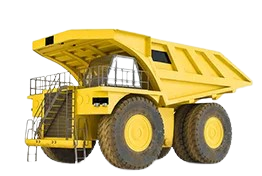
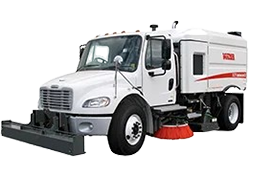
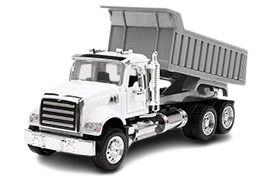

A large vehicle can be perfectly maintained, operated by a professional driver, and still have a simple, physics-based problem: there are areas around it the driver can’t see.
That matters most when the vehicle is moving slowly in crowded spaces—backing into a dock, turning through an intersection, edging around a worksite, or pulling away from a bus stop. In those moments, the difference between “I thought it was clear” and “I saw it” can be a mirror adjustment, a spotter… or a camera view that covers a blind zone.
This article explains why multiple camera systems for large vehicles are widely considered best practice—not as a replacement for training and mirrors, but as a practical way to reduce predictable visibility gaps.
Multiple Camera Systems for Large Vehicles: What “Good Coverage” Looks Like
At a minimum, “multiple” means you can see front + rear + both sides without forcing the driver to guess what’s happening in the near field.
The Problem isn’t One Blind Spot—it’s Many
Most people think about blind spots as a single area “somewhere behind the vehicle.” For large vehicles, blind zones show up in multiple places and change with the vehicle’s configuration:
-
Front blind zones (high cabs, long hoods, steep approach angles)
-
Side blind zones (especially on the passenger side in many left-hand-drive vehicles)
-
Rear blind zones (long bodies, trailers, equipment attachments)
-
Near-field blind zones (the space close to the vehicle where mirrors compress distance)
FMCSA’s public safety guidance repeatedly emphasizes that large trucks and buses have large blind spots (often discussed as truck blind spots or “no-zones”), and that other road users can disappear from view even when a driver is attentive. See the agency’s safety overview in FMCSA “Tips for Driving Safely Around Large Trucks or Buses” (updated 2026).
Where Single-Camera Setups Break Down
A single rear camera can help with reversing. But large-vehicle risk isn’t concentrated only behind the vehicle.
Three common failure modes show up again and again:
1) Wide Turns and “Sweep Zones”
Large vehicles don’t pivot like passenger cars. A bus or tractor-trailer can swing wide at the front and “off-track” at the rear. That creates a moving danger zone where pedestrians, cyclists, and nearby vehicles can enter and vanish from view.
A rear camera doesn’t help much if the hazard is along the right side during a turn.
2) Lane Changes and Merges
Even with properly adjusted mirrors, there can be areas where a smaller vehicle sits alongside the trailer or bus body with limited visibility—especially in bad weather, glare, or heavy spray.
A side camera view (or camera monitor system view) can reduce reliance on a single mirror angle.
3) Low-Speed Environments: Yards, Job Sites, Loading Areas
A lot of the most stressful moments happen off-highway:
-
backing into tight docks
-
navigating crowded depots
-
operating near workers and equipment on construction sites
-
maneuvering refuse trucks near curbs and parked cars
In these environments, the risk isn’t just “what’s behind me”—it’s what’s close to any side of the vehicle, right now.
Key Takeaway: If your highest-risk maneuvers involve turning, merging, and tight-space maneuvering—not just reversing—a single rear camera can’t cover your most important blind zones.
What “Multiple Camera Systems” Usually Means in Practice
A multi-camera setup is less about adding gadgets and more about building coverage.
Most commercial deployments combine:
-
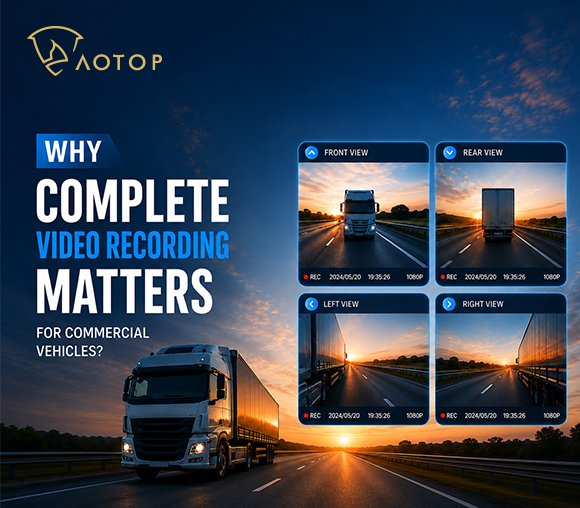
Multiple exterior cameras (front / rear / left / right; sometimes additional angles)
-
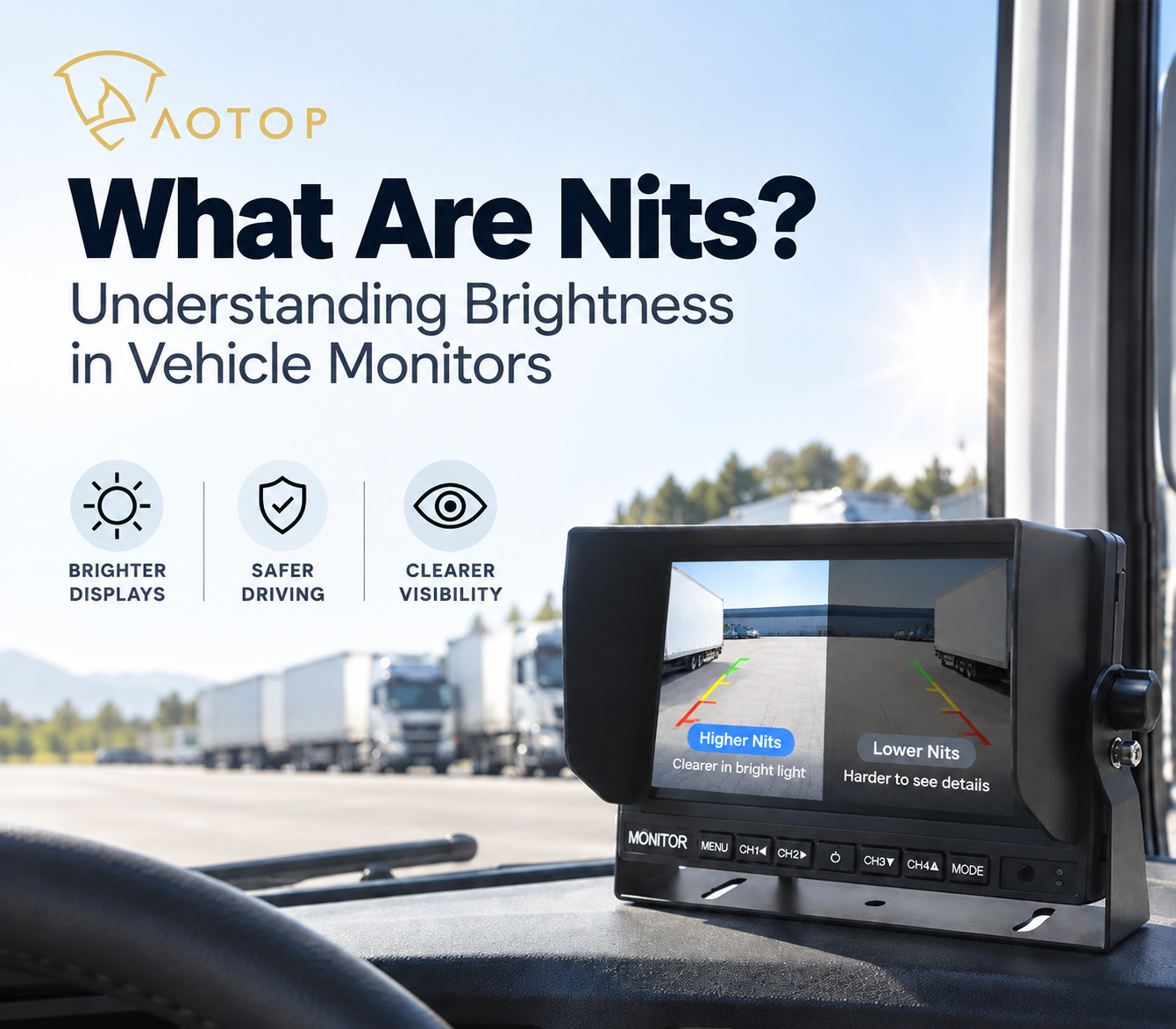
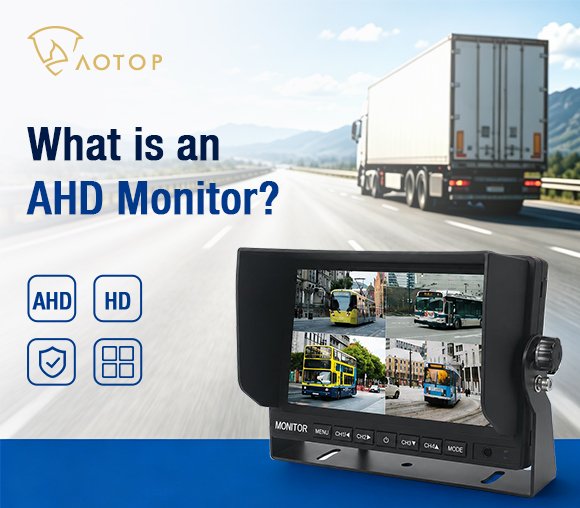
An in-cab monitor (or camera monitor displays replacing or augmenting mirrors)
-
Recording (DVR/MDVR) for incident review
-
Optional: alerts (visual/audio) triggered by proximity or AI-based detection
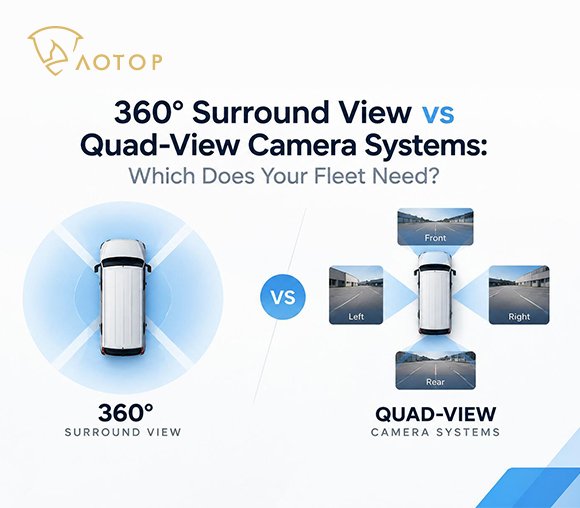
One common configuration is a 360° surround view system, which uses four wide-angle cameras (front, rear, left, right) to create a stitched bird’s-eye view. AOTOP summarizes this concept and typical camera placement in its explainer “What is a 360 surround view system for trucks?”.
Cameras Complement Mirrors—They Don’t Excuse Poor Habits
Even the best camera coverage won’t help if the driver isn’t trained to use it correctly.
In awareness-stage terms, the goal is straightforward:
-
reduce time-to-visual-confirmation during the maneuvers where risk spikes
-
give drivers a second channel of information when mirrors are compromised (weather, glare, vibration)
-
improve consistency across different drivers and routes
A Simple Coverage Map: Which Views Solve Which Risks?
Instead of thinking “How many cameras?”, start with: Which moments are most likely to create a visibility failure?
1) Trucks & Tractors
High-risk moments: backing with long trailers, lane changes, right turns, dock work.
Coverage that helps:
-
rear view (backing and coupling)
-
right-side view (turning and overtakes)
-
left-side view (lane changes)
-
front/near-field view (tight yards, pulling forward near pedestrians)
If the operation includes frequent tight maneuvering, a 360° surround view system for trucks can provide a continuous near-field “bubble” view rather than forcing drivers to mentally assemble four mirror angles.
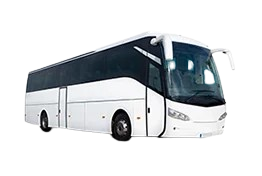
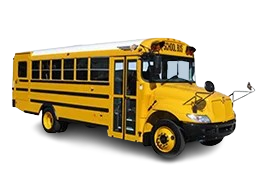
2) Buses & Coaches
High-risk moments: pulling in/out of stops, curbside proximity, passenger crossings, tight terminals.
Coverage that helps:
-
front and right-side near-field views (pedestrians at curb and crosswalk)
-
rear view (depot maneuvering)
-
interior view where policy allows (incident documentation and driver protection)
The key is near-field visibility—many bus incidents happen at low speed with vulnerable road users close to the vehicle.
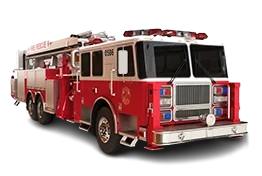
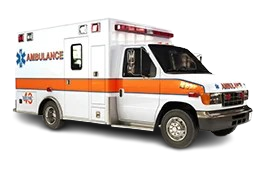
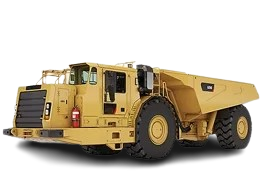
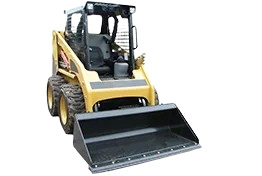
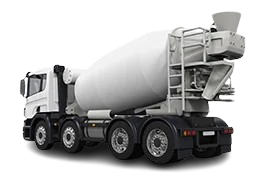
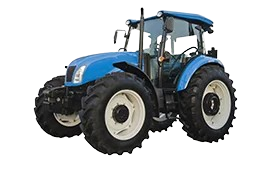
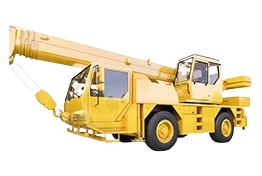
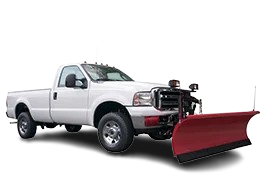
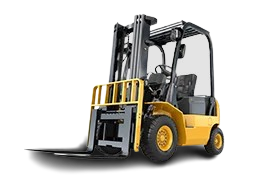
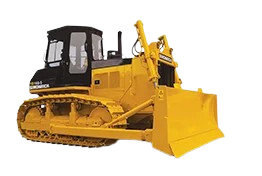
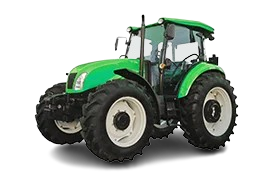
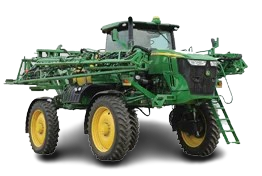
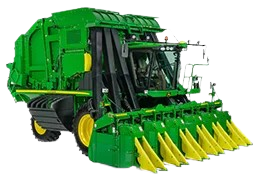
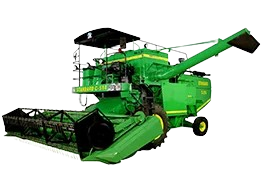
3) Construction, Refuse, Emergency and Agriculture Vehicles
These categories vary widely, but the visibility logic is consistent: workers, pedestrians, and fixed objects are often close to the vehicle, and operating surfaces are uneven.
A practical baseline is:
-
rear visibility for reversing
-
right-side near-field for curbside/workside proximity
-
front/near-field for pulling forward in tight spaces
-
durable mounts and stable imaging under vibration and contamination (dust, mud, spray)
The goal isn’t to make the vehicle “smart.” It’s to make the operator’s visibility reliable when the environment is not.
Compliance: What’s Required Vs. What’s Best Practice in the US
It’s important to separate three things:
-
What’s required today
-
What can be approved as an alternative
-
What fleets adopt as best practice
FMCSA: Mirrors Are the Baseline Requirement
FMCSA regulations require rear-vision mirrors on commercial motor vehicles. The key point for most readers is simple: mirrors are not optional as the default compliance baseline.
Cameras Can be Used—Sometimes As Part of an Approved Approach
Camera-based visibility systems are increasingly common, but they aren’t universally “mandated.” In some cases, regulators have granted exemptions for specific camera monitor system (CMS) deployments when safety is shown to be equivalent or better.
The practical takeaway for an awareness-stage reader:
-
don’t assume “a camera system” automatically satisfies every regulatory expectation
-
treat compliance as a design constraint: verify what your vehicle class and jurisdiction require
NHTSA Rear Visibility Rules Often Cited Online Mainly Apply to Lighter Vehicles
Many discussions of backup camera requirements reference FMVSS 111. The legal text lives at eCFR: 49 CFR § 571.111 (FMVSS 111).
It’s frequently discussed alongside NHTSA’s analysis that backing crashes cause significant harm; in the rear-visibility rulemaking context, NHTSA cited an estimate of 410 fatalities and 42,000 injuries annually from backing crashes (historical estimate). See NHTSA’s “Federal Motor Vehicle Safety Standards; Rear Visibility” (2014).
For fleets and large vehicles, the useful lesson is not “a single backup camera solves the problem.” It’s that rear visibility is a real safety domain—and large vehicles have additional blind zones that extend well beyond the rear.
If you take only one design principle from this section, make it this: the system should help drivers confirm the near field before the vehicle moves—not after.
-
AOTOP truck camera solutions for typical truck scenarios and system options
-
A concept overview of a 360° surround view approach (search on aotop.com for “360 surround view system for trucks”)
-
A quick catalog of AOTOP vehicle cameras (front/side/rear/AI/interior categories)
⚠️ Warning: Compliance discussions online often mix vehicle classes. If you’re specifying equipment for commercial fleets, verify the rules and exemptions that apply to your exact vehicle category and operating region.