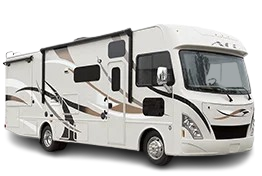
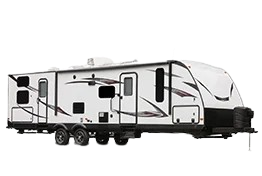
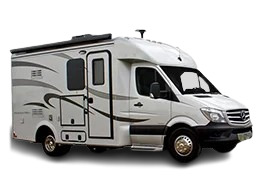
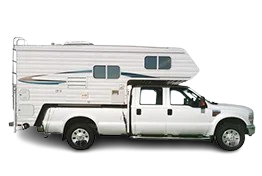
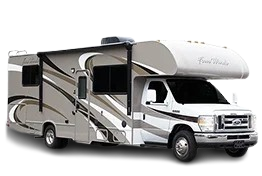
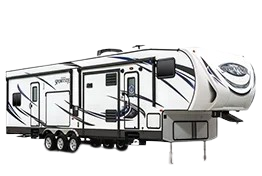
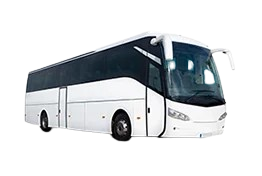

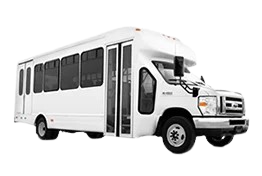
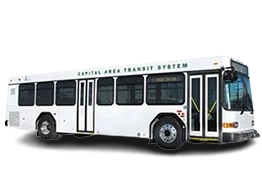
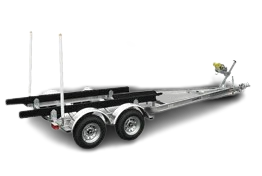
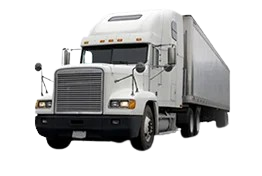
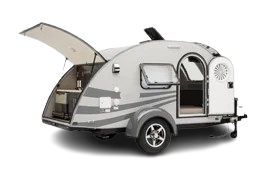
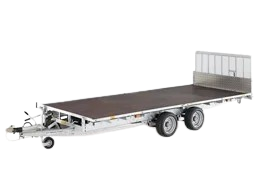
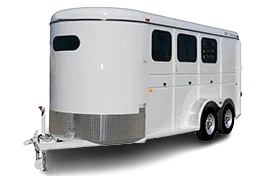
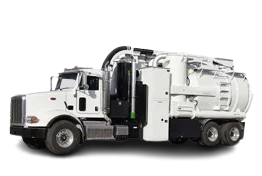
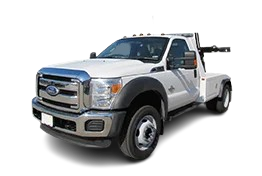
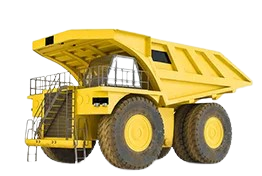
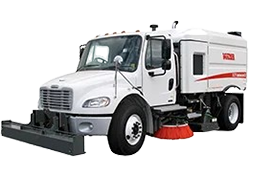
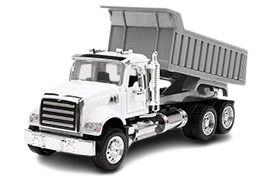
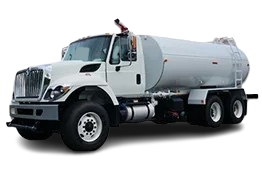
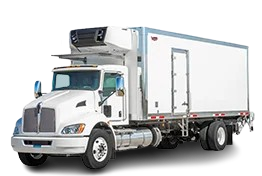

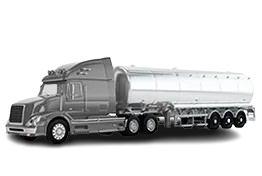

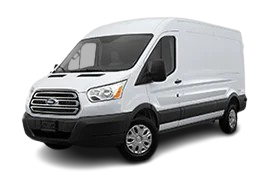
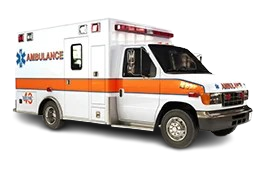
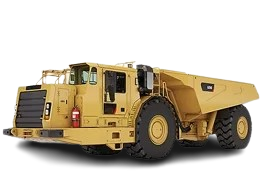
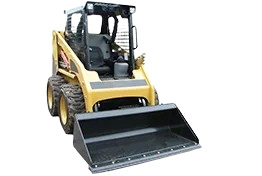
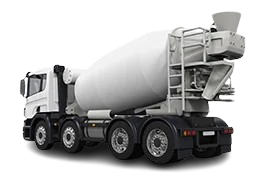
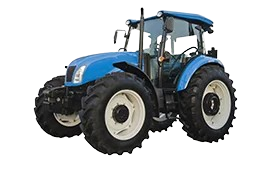
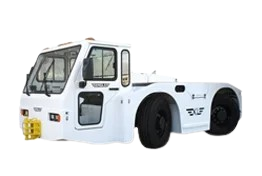
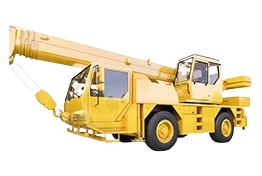
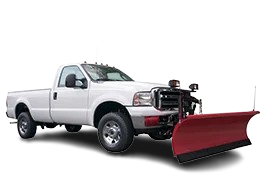
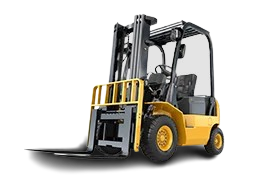
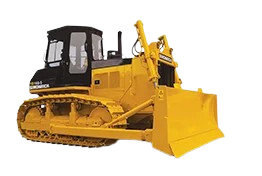
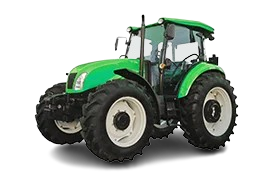
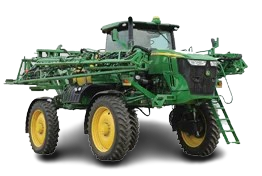
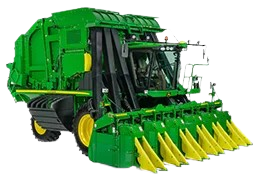
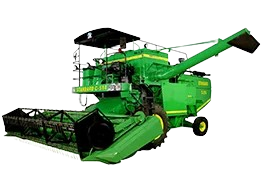
Reversing a truck, trailer, RV, forklift, or machine is often a “can’t-see-what-you-can-hit” problem. Mirrors help, but they can’t show every angle at once—especially close to the bumper, along the passenger side, or at a trailer’s far end. That’s why many operations add a commercial vehicle camera system to reduce blind spot risk during backing, turning, and tight maneuvering.
If you’re researching the keyword vehicle CCD camera, you’re likely comparing sensor types for a rear view camera or full multi-camera setup. CCD is older than CMOS, but it still shows up in heavy-duty rear monitoring because the job conditions (low light, vibration, weather) are unforgiving.
The Real Visibility Problem: Where Blind Spots Appear
In day-to-day work, blind areas show up in predictable places:
-
Dock backing: the last few feet behind the vehicle (cones, pallets, pedestrians) may be invisible from the cab.
-
Right turns and lane changes: a curb, bike, or forklift can sit in the passenger-side blind spot.
-
Trailer swing: mirrors may show the side of the trailer but not what’s directly behind it.
-
Forklifts and machinery: loads can block forward sightlines; operators still need safe side/rear awareness.
A well-mounted truck backup camera and a side view camera don’t replace training or spotters, but they reduce uncertainty at the exact moments low-speed incidents happen.
What a Vehicle CCD Camera is (in Vehicle Use)?
A vehicle camera uses an image sensor to convert light into video for a monitor. In a vehicle CCD camera, that sensor is a CCD (charge-coupled device). CCD-based camera modules are commonly paired with rugged housings, external mounts, and long cable runs—typical of commercial and industrial installations.
The sensor label isn’t the whole story, but it influences how the image holds up in dim light and shaky mounting locations.
Vehicle CCD Cameras vs. CMOS Cameras: Which Is Better for Rear View Monitoring?
Both CCD and CMOS sensors can support reliable rear monitoring. The practical differences show up in three places.
1) Low Light and Usable Night Vision
Many reverse maneuvers happen at dawn, in shadowed loading areas, or in poorly lit yards. CCD sensors are often chosen because they can keep the image readable when ambient light is limited.
CMOS sensors have improved significantly, so the right question is: Does this specific camera stay readable in your worst lighting? For a plain-language overview of the underlying differences, see Basler’s CCD vs CMOS sensor technology.
2) Vibration and Image Stability
Trailers, off-road trucks, forklifts, and machinery see constant vibration. If the image smears or becomes hard to interpret on rough ground, distance judgment suffers. CCD-based cameras are often selected for a steadier “look” in harsh mounting conditions.
3) Mixed Lighting and Glare
Rear monitoring includes bright sun, wet reflective pavement, LED headlights, and deep shadows under a dock canopy. Sensor choice interacts with processing and lens design here. When evaluating CCD vs CMOS, ask to see footage of backing with headlights in view and transitioning from dark-to-bright environments.
Practical takeaway: CCD remains common where low-light readability and vibration tolerance matter most. CMOS can be an excellent choice when the camera model is proven in your mounting location and lighting conditions.
Typical Applications in a Commercial Vehicle Camera System
A CCD sensor may be used in several common placements:
-
Rear view camera: the primary reversing feed for docking, coupling, and yard backing.
-
Side view camera: improves visibility on the turn side and reduces the right-side blind spot.
-
Trailer camera: mounted far from the driver, exposed to spray and vibration.
-
Forklift camera: supports safer maneuvering when loads block direct sightlines.
Features That Matter in the Field
If you want a camera that keeps working after weeks of weather and washdowns, prioritize these basics.
Wide Angle Lens
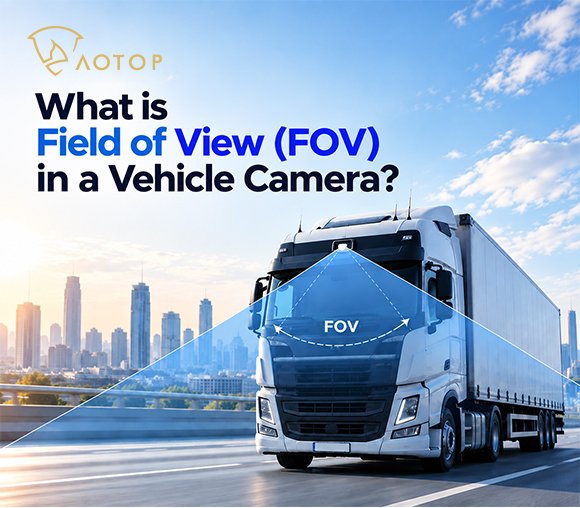
A wide field of view helps cover blind areas that mirrors can’t reach—especially the vehicle’s rear corners and low-to-the-ground zones close to the bumper. With wide-angle lenses (often around 120° to 170°), a vehicle CCD camera can give drivers a clearer picture of obstacles that sit just outside mirror coverage. Keep in mind that ultra-wide lenses can distort edges, so choose an angle that clearly shows your critical zones at the actual mounting height.
IP67 Sealing and a True Waterproof Camera Build
External cameras are exposed to rain, road spray, dust, and washdowns. IP ratings define dust and water resistance. For example, IP67 generally indicates dust-tight protection and resistance to temporary immersion under defined test conditions; Reolink’s overview, IP67 rating explained, gives a clear definition.
Metal Housing and Strong Mounting
A metal housing and robust bracket help resist vibration drift and minor impacts—important on trailers and equipment that gets bumped or adjusted.
Infrared Night Vision
IR-based night vision helps illuminate close-in hazards behind the vehicle when ambient light is limited. It’s most useful for low-speed backing where the risk is near the bumper.
Multi-Channel Monitor Compatibility
Many operations need more than one view. Multi-channel monitors allow fast switching or split-screen between rear, side, and trailer feeds—helpful when backing while also watching a turn-side blind zone.
Key Takeaway: Sensor type matters, but rear monitoring reliability comes from the full package—lens angle, sealing, housing, mounting, and monitor layout.
Key Takeaways
-
A vehicle CCD camera is still widely used in heavy-duty rear monitoring because backing and turning often happen in low light, vibration, and mixed weather.
-
CCD vs CMOS isn’t a universal winner; validate performance in your real lighting and mounting conditions.
-
Common uses include rear view camera, truck backup camera, side view camera, trailer, and forklift views in a commercial vehicle camera system.
-
Prioritize practical features: wide angle that fits the job, IP67 sealing for a waterproof camera, metal housing, IR night vision, and multi-channel monitor support.