


UN ECE R46
Only Camera Monitor Systems (CMS) with UN ECE Regulation R46 Approval Can be Installed in Place of A Compulsory Mirror.
What UN ECE R46 Actually Regulates?
UN ECE Regulation No. 46 (UN ECE R46) sets the type-approval requirements for devices for indirect vision and their installation on vehicles. For heavy goods vehicles, it covers both mandatory and optional rear-view mirror classes and specifies how they must be assessed so the driver achieves defined minimum fields of vision for the relevant visibility zones.
Crucially, compliance under R46 is demonstrated through prescribed test procedures rather than by design intent alone. Mirrors and approved alternatives (including camera-monitor systems) must pass the regulation’s verification methods to be accepted as meeting the minimum vision requirements. In particular, only a camera-monitor system that has been certified/approved to UN ECE R46 can be used as an alternative to compulsory mirrors. The authoritative reference is the UNECE consolidated text: UN Regulation No. 46 (Devices for Indirect Vision) *.
Every year, vulnerable road users—especially pedestrians, cyclists, and motorcyclists—are killed or seriously injured in collisions involving heavy goods vehicles. A recurring factor is the blind spots immediately around the vehicle, where other road users can be present but not visible to the driver.
To help address this, European Directives require large goods vehicles over 3.5 tonnes to be fitted with devices that let the driver observe adjacent areas that cannot be seen by direct vision. In practice, that coverage can be provided by conventional mirrors, camera-monitor systems, or other approved indirect vision devices.
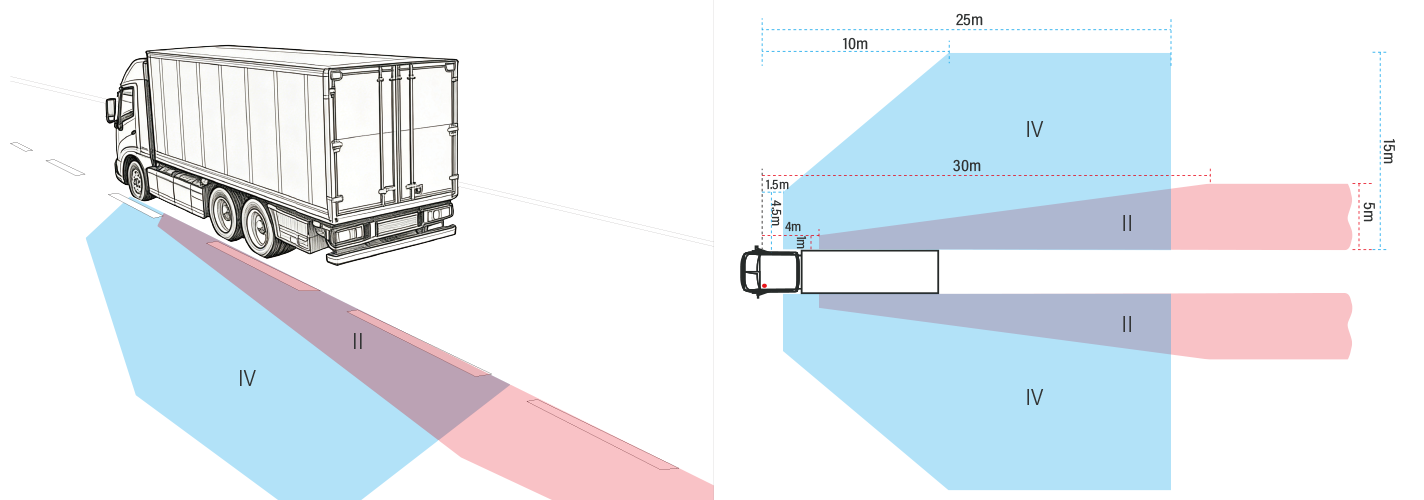
For heavy vehicles, indirect vision requirements are expressed through mirror class areas. In day-to-day operation, the two key side-area categories are:
- Class II (main side-view): the primary rearward/side visibility used for normal driving and lane positioning.
- Class IV (wide-angle side-view): extended side coverage to reduce blind-spot risk alongside the vehicle, especially where vulnerable road users can otherwise disappear.
AOTOP UN ECE R46 Camera Monitor System(CMS)
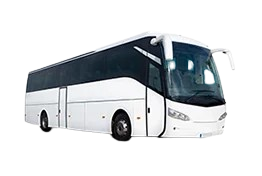
Designed specifically for trucks, buses, and special vehicles, this Camera Monitoring System complies with UN R46 regulations, replacing traditional mirrors with streamlined cameras to reduce collision and improve efficiency. It delivers low-latency, high-definition video to in-cabin screens, offers anti-glare and all-weather performance, providing a clear, unobstructed rear and side view, thereby enhancing driving safety.
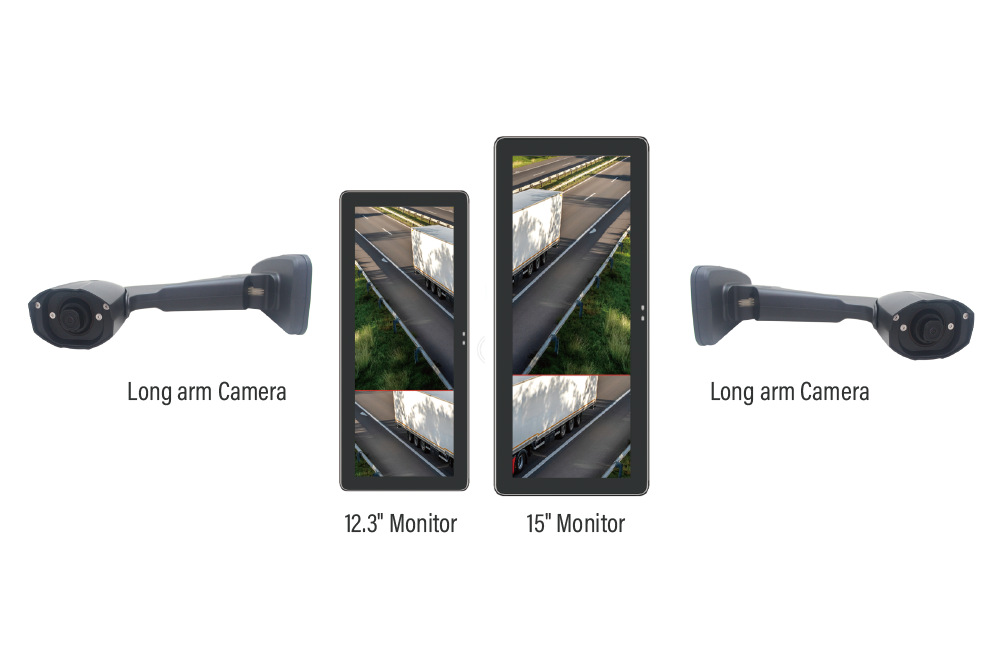
| » Model | AR-CMS27 | UNECE R46 HD Mirror Camera System for Trucks |
|---|
- 12.3" & 15" Display
- Long Arm Camera for Heavy Trucks
- Field of View: Class II & Class IV
- LVDS Digital High-Definition Camera
- IPS Sceen / 720x1920 Resolution
- Brightness: >1000 cd/m² with Auto Dimming
- 9-32V Operating Voltage
- R46 Certified
- R10 Certified
- 2-Year Warranty
Product Specification
| AR-CMS27 | View Data |
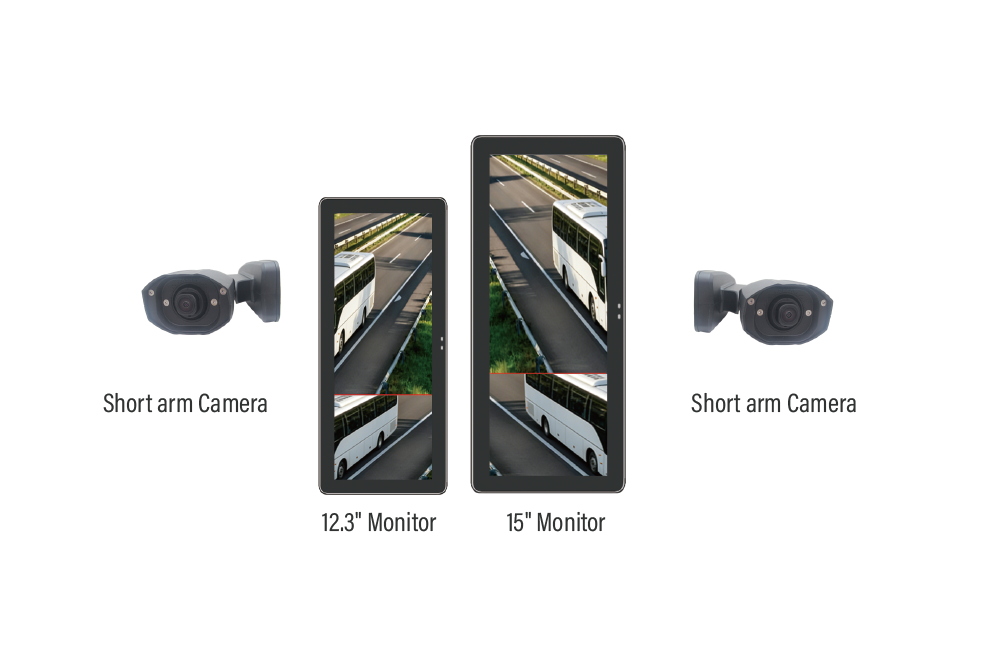
| » Model | AR-CMS27 | UNECE R46 HD Mirror Camera System for Buses |
|---|
- 12.3" & 15" Display
- Short Arm Camera for Coach Buses / RVs
- Field of View: Class II & Class IV
- LVDS Digital High-Definition Camera
- IPS Sceen / 720x1920 Resolution
- Brightness: >1000 cd/m² with Auto Dimming
- 9-32V Operating Voltage
- R46 Certified
- R10 Certified
- 2-Year Warranty
Product Specification
| AR-CMS27 | View Data |
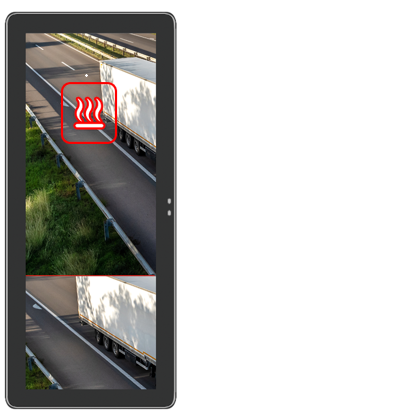
LCD Screen Heating (Optional)
When the ambient temperature drops below -30°C, ghosting may occur on the LCD screen due to the properties of its liquid crystal material. The ghosting will significantly affect dynamic picture clarity and driving safety.
LCD Screen Heating: TURN ON
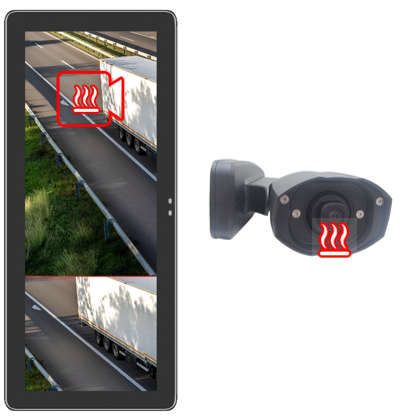
Camera Heating & Defrosting (Optional)
The camera is equipped with a built-in temperature sensor, and the software predefines a temperature heating curve.
When the ambient temperature drops below a certain threshold, heating will be activated automatically. The camera’s internal automatic heating control eliminates the need for separate wiring for heating control—only coaxial cable routing is required.
The icon of camera heating appears on the LCD screen if the camera heating turn ON.
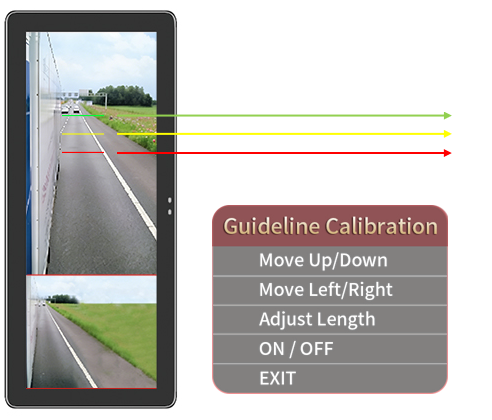
Reference Line
This feature allows calibration of reference lines to assist the driver in judging following distance when changing lanes or over- taking.
Camera Monitor System (CMS)
Why in the Place of a Mirror?
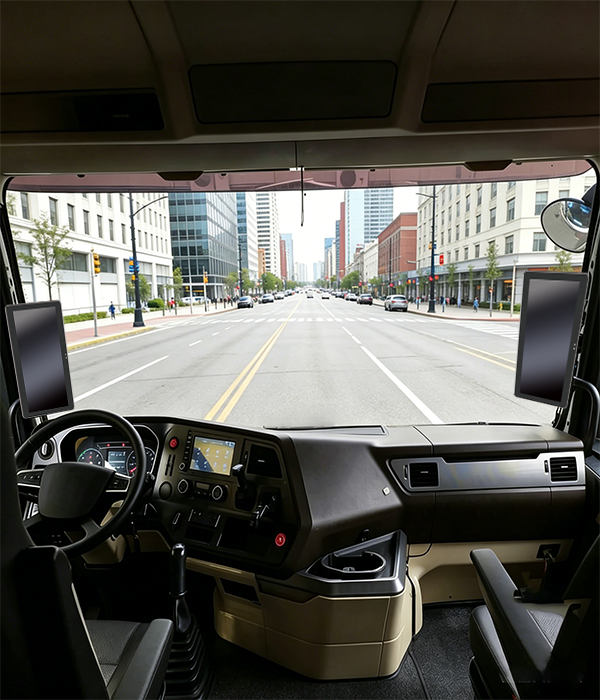
For a driver, being able to see blind spots around the vehicle is a necessity. Using camera monitor system for visibility instead of mirrors can offer many benefits:
- Long / short arm camera has a wide angle viewing which allows the driver to see more than the required mirror class area in the monitor. A driver does not need to physically move to view a broader area as would be necessary with a mirror.
- Because of their size and the distance they protrude, mirrors are prone to being hit and broken. cameras are compact and mounted higher reduces the risk of damage, lowering maintenance costs and vehicle downtime. Replacing mirrors with cameras also improves aerodynamics which contributes to lower fuel consumption.
- Glaring sun and headlights can be dazzling for drivers, creating glare and making it difficult or impossible to define objects in mirrors. A camera system automatically adjusts to the lighting, significantly reducing glare and therefore improving driver visibility by displaying a clear image on the monitor.
- Night time visibility is one of the key advantages a camera system has over a mirror. Camera built-in starlight night vision greatly improve vision in low light and deliver a clear image on the monitor, even in total darkness. Mirrors do not allow any vision in the dark.
- Mirrors are challenging to use in the rain. Not only does the driver need to see the vehicle and surroundings in the mirror, but through an equally wet and sometimes misted window. Water and dirt obscure the view, hugely reducing driver visibility. The camera aperture will focus through water on the lens, maintaining visibility in any type of environment or weather condition.
- Recorded footage from vehicle-mounted cameras can provide irrefutable evidence in the case of accidents and legal proceedings and provide protection for drivers who are often the subject of increased scrutiny after an incident.
AOTOP - Industry Leader in Commercial Vehicle Safety Systems
Since 2005, We are specialized development in commercial vehicle safety systems, committed to improving the road driving safety. With decades of expertise, we offer comprehensive a range of innovative safety vision products designed to protect the drivers, vehicles and pedestrians. Whether you are upgrading an existing system or to starting a new project, here are 6 key reasons why AOTOP is your trusted partner.

21 Years Industry Experience

Powerful Manufacturing

Good Quality, All Certificates

Professional Senior R&D Team

Responsive Customer Service

Faster Delivery
Time
Let Us Know Your Needs
We’d love to get to know your business, requirements, expectations. Just fill in the form below:
“*” indicates required fields