








Commercial fleets run in high-risk conditions: tight delivery windows, congested streets, busy yards, and job sites where people and equipment move unpredictably. In many operations, a fleet camera system is now part of the baseline safety program. One backing incident, one unsafe lane change, or one disputed crash can lead to downtime, claims work, and higher operating costs. When vehicles are spread across cities or states, safety teams often learn about problems after the fact.
4G Network Cameras help close that gap. They don’t replace training or safe procedures, but they make safety events easier to see, document, and coach across a distributed fleet.
What are 4G Network Cameras in Fleet Operations?
In a commercial vehicle context, 4G Network Cameras are vehicle-mounted cameras that use cellular connectivity (typically 4G LTE) to send video and event data off the vehicle. You’ll also see them described as 4G LTE vehicle cameras or connected dash cameras when they’re part of a broader safety stack. Compared with SD-card-only dashcams, 4G-connected systems can upload event clips quickly and support live viewing for supervisors.
Most fleets pair video with telematics signals like GPS location, speed, and harsh braking. This combination is often described as video telematics: footage is tagged to moments that matter so managers can review specific events instead of watching hours of normal driving. (See Motive’s video telematics explainer *.)
The Fleet Problems Connected Video Helps Solve
Blind Spots and Low-Speed Maneuvering
Commercial vehicles have large blind spots around the front, sides, and rear. Tight turns, merging, and backing into docks create repeated near-miss scenarios. Multi-camera views give drivers and supervisors a clearer picture of what was happening around the vehicle when a close call occurs.
Disputed Incidents and Slow Claims Handling
Without video, fleets often depend on partial witness statements and delayed reports. Connected cameras can reduce time-to-evidence by getting the right clip to the right person faster. That supports internal reviews and claims documentation.
Limited Supervision Across a Distributed Fleet
Coaching based only on crashes, complaints, or periodic ride-alongs is slow and uneven. Event-tagged clips let safety teams address patterns sooner: following too close, risky backing habits, or distraction-related behaviors.
Security and Asset Exposure
Vehicles, tools, and cargo are frequent targets for theft and vandalism. Video can support investigations, especially when incidents happen away from a depot or after hours.
Installation Locations and What Each View Covers
Placement should follow your highest-risk maneuvers and environments.
Front-Facing (Windshield or Front Exterior)
Supports incident reconstruction and helps explain sudden stops, cut-ins, and intersection conflicts.
Rear-Facing (Rear Exterior)
Reduces backing risk in yards, alleys, docks, and school or municipal environments where people can enter the vehicle’s path unexpectedly.
Side Cameras (Mirror, Fender or Body-Mounted)
Helps with lane changes, right turns, and curbside operations. This is especially relevant for box trucks, refuse fleets, and buses operating close to cyclists and parked cars.
In-Cab (Driver-Facing)
When governed by a clear policy, in-cab video adds context for coaching and incident review. Adoption improves when fleets define who can access footage, how long it’s retained, and what triggers review.
Cargo or Equipment Views
Useful for delivery fleets and service vehicles that need delivery documentation, loss prevention, or clarity on cargo damage.
Key takeaway: A “standard kit” is less effective than a risk-based layout tied to backing, turns, curbside work, and job-site movement.
Real-World Applications by Vehicle Type
-
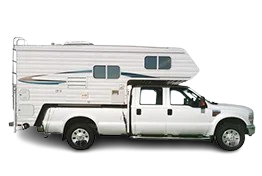
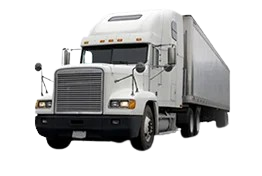
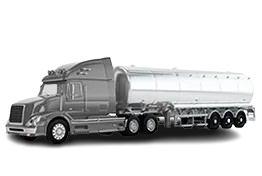
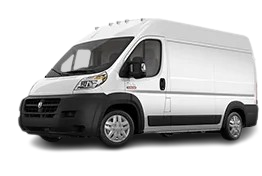
Long-haul and regional trucks: front + side views help document merge conflicts and lane-change events, while 4G connectivity reduces delays in retrieving critical clips.
-
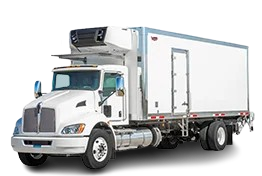
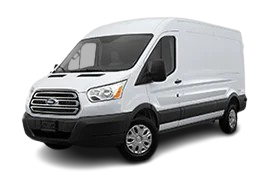
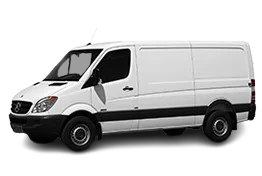
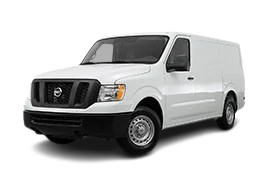
Last-mile delivery vans and box trucks: rear and side views support tight delivery zones where backing and pedestrian interactions are common.
-
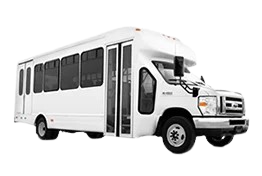
School buses: side and rear context helps review incidents near stops, where public scrutiny and compliance expectations are high.
-
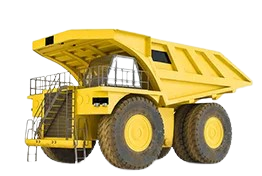
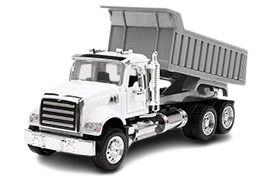
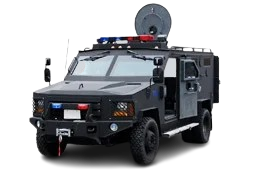
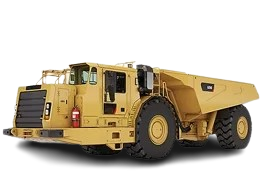
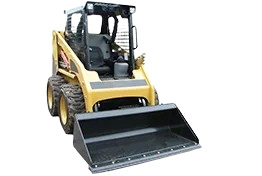
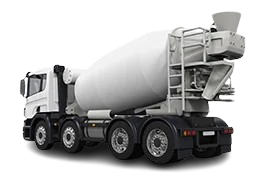
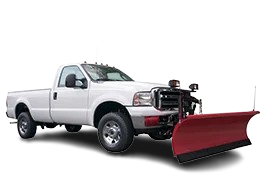
Construction vehicles (dump trucks, mixers, work trucks): multi-camera coverage supports tight job-site maneuvering near workers on foot.
-
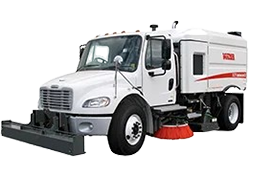
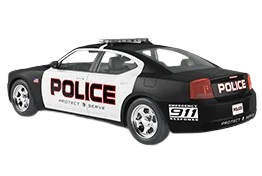
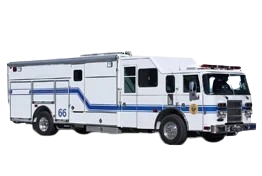
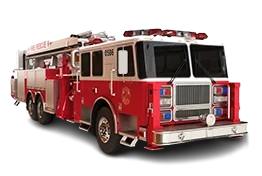
Municipal and waste fleets: side cameras support frequent curbside stops and interactions with vulnerable road users.
-
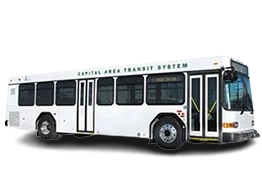
Public transportation: multi-view context supports faster incident response and helps identify recurring conflict points on routes.
The Positive Impact of 4G-Connected Cameras Beyond Crash Review
For many fleets, the biggest upside of 4G connectivity is that video can support proactive safety and asset protection, not just post-incident investigation. When policies are clear and alerts are configured responsibly, connected cameras can help teams spot issues earlier and respond faster.
Fuel Tank Monitoring and Theft Deterrence
On heavy vehicles, fuel theft and tampering are common risks—especially when trucks are parked in unsecured areas or operate overnight. A 4G-connected camera can monitor fuel tank areas and send alerts when suspicious activity is detected (for example, a person approaching the tank area during non-operational hours). This doesn’t replace physical security measures, but it can add time-stamped visibility that supports quicker response and follow-up.
AI Person Detection and Remote Alerts
Connected cameras are also used to detect people in places they shouldn’t be—such as near moving equipment, restricted yard zones, or the vehicle’s immediate blind-spot perimeter during loading and unloading. When the system recognizes a person in a defined risk zone, it can trigger a remote alert so supervisors can check context quickly and coordinate a safer next step.
Practical note: These capabilities work best when you define what triggers an alert, who receives it, and how the footage is handled—so the system supports safety without creating unnecessary monitoring.
Practical Workflows Fleets can Implement Quickly
Faster Incident Response and Evidence Capture
With cellular upload, safety teams can triage events sooner and preserve relevant footage without waiting for a vehicle to return to base. That shortens the gap between an incident and the actions that follow (documentation, coaching, insurer communication).
Targeted Coaching Instead of Blanket Retraining
Connected video makes coaching more specific and more defensible. Instead of general reminders, managers can review one clip: a late mirror check, a rushed backing maneuver, or an unsafe following distance. Over time, fleets can track repeat event types and focus training on the highest-frequency scenarios.
Remote Fleet Monitoring for Changing Operations
For fleets with temporary routes, new job sites, seasonal staffing, or subcontractors, remote fleet monitoring helps supervisors validate that operations match plan and policy.
Cost and Efficiency Benefits that Come From Fewer Incidents
When incident rates drop, fleets typically see less downtime, fewer repairs, and less administrative effort. Video can also reduce time spent investigating disputes (missed delivery, damage at unloading).
Deployment Considerations that Determine Outcomes
4G connectivity enables new workflows, but results depend on governance and integration:
-
Connectivity and data plans: define when video uploads occur (event-only vs. broader upload rules) and validate coverage in operating regions.
-
Retention and access controls: set retention periods and permission levels.
-
Driver communication and privacy: document what is recorded, when it’s reviewed, and how footage supports coaching.
-
System integration: value rises when video is linked to GPS and safety events rather than managed as an isolated tool.
Future Trends: Connected Vehicles, AI and Remote Safety Management
Fleet video is shifting toward more connected, automated operations. Expect more AI-assisted event detection to reduce manual review, tighter integration with fleet management platforms, and hybrid connectivity (4G/5G and, in some regions, satellite back-up). Verizon Connect’s 2026 fleet technology trends * highlights how widely fleets view video telematics as a safety tool.