


Urban delivery is a visibility problem disguised as a logistics problem.
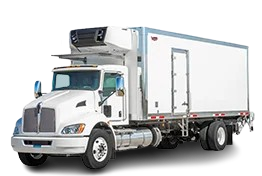
For box trucks and step vans operating in tight lanes, curbside stops, bike traffic, and crowded intersections, the highest-risk moments are routine: low-speed right turns, quick lane changes, and pulling away from the curb.
A well-implemented side view camera system reduces uncertainty in the blind zone along the vehicle’s flank—helping drivers confirm space, helping fleets reduce low-speed side impacts, and improving incident documentation.
Key Takeaways
-
Side view cameras help reduce blind-spot risk during right turns, lane changes, and curbside pull-aways.
-
For urban routes, consistency (glare/rain/night usability + stable mounting) matters more than “best-case” specs.
-
Fleet value goes beyond prevention: fewer near-misses, smoother docking, less side damage, and faster incident review.
-
Results come from a system approach: placement testing, driver workflow, training, and maintenance.
The Urban Blind-Spot Problem (Why Side Risk Compounds)
Urban trucks don’t just “drive.” They stop, start, merge, squeeze, and turn—dozens of times per shift. That repetition compounds exposure.
Common high-risk moments include:
-
Low-speed right turns where cyclists or pedestrians can enter the passenger-side conflict zone.
-
Short-notice lane changes/merges to reach a curbside stop or loading zone.
-
Curbside docking and pull-away where low-speed side swipes and mirror strikes create recurring repair costs.
Mirrors help, but glare, rain/spray, dirty glass, vibration, and imperfect adjustment can make mirror checks inconsistent in real city conditions.
What A Side View Camera System Changes
A side view camera provides a stable, wide view along the vehicle’s side on an in-cab display. The practical benefit isn’t “more tech.” It’s fewer unknowns at the decision moment.
Used correctly, side cameras:
-
Make the blind zone easier to check quickly and consistently.
-
Reduce reliance on perfect mirror angles and split-second head turns.
-
Create clearer context for coaching and incident review.
Right Turns at Low Speed
Right turns combine blind spots with heavy attention demands: crosswalk scanning, lane positioning, curb clearance, and traffic timing. A properly positioned side camera helps the driver confirm the space is actually clear before the truck commits to the turn.
Lane Changes and Merges
In city traffic, delivery trucks often need to move laterally with limited space. Side cameras support a faster, more confident check of the blind zone without depending on a perfect mirror angle or head-turn timing.
Curbside Docking and Pull-Away
Curbside work is where fleets see costly “minor” events: scraped poles, clipped mirrors, damaged fenders, and side swipes at walking speeds. A side camera helps drivers judge clearance when approaching a loading zone and confirm the side is clear when pulling away.
Why This Matters to Fleets (Not Just Drivers)
Side visibility changes how a fleet manages risk and day-to-day operations.
Reduced Near-Misses and Incident Exposure
In cities, near-miss frequency is often the best signal of real exposure. Better side visibility can reduce the number of situations where outcomes depend on luck. For crash-data context and official resources, FMCSA publishes Large Truck and Bus Crash Facts *.
Better Coaching Conversations (Without Blame)
Coaching works when it’s specific and consistent. Video-assisted visibility can support training that focuses on situational awareness and safe habits, not punishment. If privacy is a concern, set clear policies for access, retention, and when footage is reviewed.
Faster Incident Review
Urban fleets handle frequent disputes and low-speed impacts. Even when a camera can’t prevent an event, clearer evidence can reduce ambiguity and speed up internal review. For broader official safety guidance, see NHTSA road safety *.
Safety and Compliance Note (Global)
Side view cameras are intended to supplement mirrors and safe driving practices. Requirements for mirrors, camera-monitor systems, recording, and driver privacy vary by jurisdiction and fleet policy. Always follow local regulations and your internal safety procedures.
If you are looking for a reliable side view camera manufacturer or supplier in China, AOTOP provides a wide range of side-view camera options for commercial vehicles, with flexible OEM/ODM customization.
Learn more about our side view camera lineup here: side view camera *.
FAQ
Do Side View Cameras Replace Mirrors?
No. Most fleets use side cameras to complement mirrors and driver checks, reducing blind-spot uncertainty rather than replacing proven habits.
Are Side View Cameras Mainly for Highway Driving?
They help on highways, but urban delivery often sees the highest day-to-day value because turns, merges, and curbside maneuvers happen constantly.
What Should Fleets Prioritize First: Resolution, Viewing Angle or Installation?
Installation and placement first. They determine whether the camera covers the real risk zone. After that, prioritize image usability in glare, rain, and night conditions.