
Choosing a commercial vehicle camera system involves more than counting cameras. Two systems may each use four cameras, yet present very different information to the driver.
A 360° surround view system combines camera images into a stitched bird’s-eye view. A quad-view system displays four separate camera feeds on one screen. The right choice depends on whether drivers need to understand the space around the vehicle or observe several specific locations.
For fleet buyers, that distinction affects installation, everyday usability, maintenance and overall system value.
What is a 360° Surround View Camera System?
A 360° surround view system typically uses wide-angle cameras positioned around the vehicle. An image-processing unit combines their overlapping views into a simulated overhead image, helping the driver see the vehicle’s position relative to nearby surroundings. Commercial systems may also display individual camera views alongside the stitched image.
The main benefit is spatial context. When maneuvering through a confined yard, drivers can use the combined view to understand the relationship between the vehicle, surrounding ground and nearby obstacles.
However, the overhead image is a processed representation. Buyers should evaluate image quality around stitching boundaries and confirm actual coverage on their vehicle rather than assuming that “360°” guarantees visibility of every object.
What is a Quad-View Camera System?
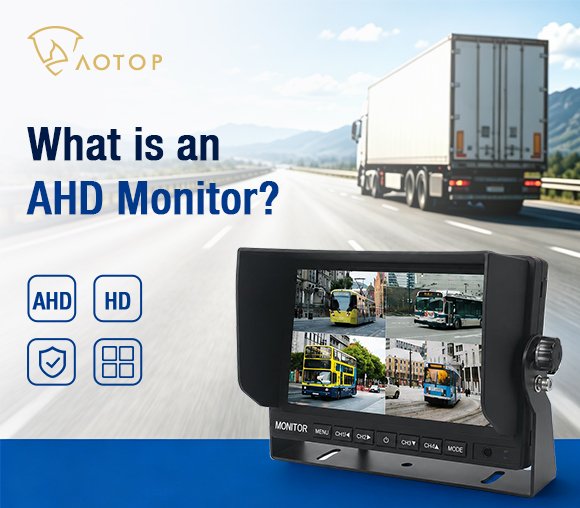
A quad-view system shows four independent camera images in separate sections of a monitor. Camera positions can be selected around the tasks operators need to perform: reversing, checking side areas, observing an attachment or monitoring a loading point.
Some monitors also support single, double and triple layouts. For example, AOTOP’s CM-709HQ supports four camera inputs, multiple display layouts and configurable trigger settings. These functions allow the displayed view to change according to the selected configuration. AOTOP quad-view monitor specifications *
The defining feature is that the images remain separate. Drivers must interpret each camera’s perspective instead of receiving one combined overhead view.
360° Surround View vs Quad-View: Key Differences
| Selection Factor | 360° Surround View | Quad-View |
|---|---|---|
| Main display | Stitched bird’s-eye image | Four separate camera images |
| Primary purpose | Understand surrounding space | Observe multiple specific areas |
| Camera positioning | Must support the required image overlap | Can follow individual viewing tasks |
| Setup requirements | Includes image-stitching calibration | Includes camera aiming and monitor configuration |
| Driver interaction | Interpret a combined spatial view | Move attention between separate views |
| Maintenance consideration | Check calibration after relevant camera changes | Check camera direction and display settings |
Neither format automatically includes recording, AI detection or remote access. Buyers should specify these functions separately and confirm how they operate in the proposed system.
Safety & Incident Prevention Performance
The safety case for 360° surround view centers on collision prevention. Studies show these systems reduce blind-spot accident rates by 20-42% in commercial fleet operations. Low-speed collisions—backing into obstacles, sideswipes during tight turns, pedestrian strikes in loading zones—can decline by 40-60% when drivers have continuous overhead awareness. The real-time benefit is strongest in environments where the vehicle is constantly maneuvering: urban delivery routes, construction sites, warehouses, and loading docks.
Quad-view systems contribute to safety differently. They don’t provide the same intuitive spatial awareness during live operation, but they excel at post-incident analysis. When a collision or near-miss occurs, synchronized four-angle footage allows fleet managers and investigators to reconstruct exactly what happened from multiple perspectives.
This speeds up claims resolution, reduces fraudulent claims, and provides clear evidence in liability disputes. The value is highest for fleets operating in high-risk environments where incident documentation protects against costly claims.
When Should Your Fleet Choose 360° Surround View?
Choose 360° surround view when the main challenge is maneuvering around obstacles close to the vehicle.
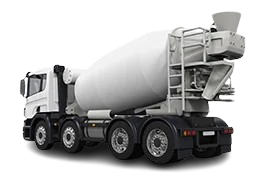
Consider a rigid delivery truck moving through a narrow depot. The driver needs to understand several vehicle corners and surrounding clearances during one maneuver. A stitched view can make those relationships easier to interpret than four disconnected perspectives.
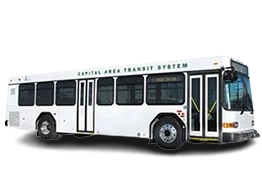
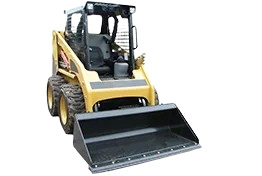
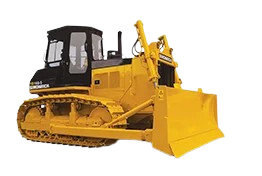
This makes surround view worth evaluating for buses, rigid trucks and suitable construction vehicles working in confined areas.
Vehicle geometry matters, however. Articulated vehicles, changing trailers and moving equipment can complicate camera positioning and coverage. Ask the supplier to demonstrate how its system handles your actual configuration.
A convincing demonstration should reproduce daily operating conditions, including relevant lighting, vehicle movements and nearby obstacles.
When is Quad-View the Better Fit?
Choose quad-view when operators need separate views of several working areas.
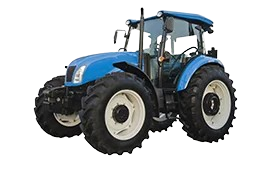
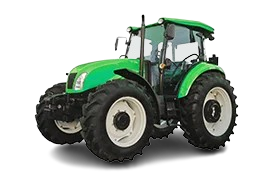
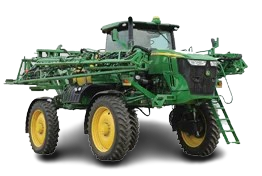
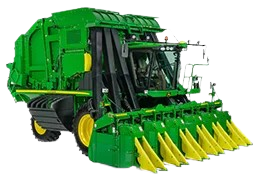
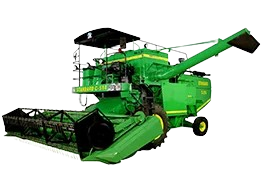
An agricultural machine, for example, may require rear visibility, a view of an attachment and observation of a material-transfer point. These images serve different tasks and do not necessarily need to form one continuous overhead picture.
A quad-view arrangement allows each camera to target a useful location. It is also worth considering when an existing installation already provides suitable individual camera feeds.
Screen readability needs careful attention. Four images share the available display area, so buyers should test whether important details remain visible from the normal driving position. Where supported, enlarging a relevant camera view through trigger settings may improve usability.
What Should Buyers Test Before Ordering?
Before a fleet rollout, test a representative vehicle and answer five questions:
- Can the driver see the areas needed for the actual task?
- Are important objects readable in the selected display layout?
- Does the image remain usable under expected lighting conditions?
- Are startup, view switching and video delay acceptable during operation?
- Can maintenance staff restore the system after camera replacement?
Assess the proposed hardware configuration rather than relying on a generic demonstration.
For fleets, 360° surround view is a strong candidate for surrounding-space awareness; quad-view suits multiple independent viewing tasks. Some systems combine stitched and individual views, so the final decision should follow the required workflow.
AOTOP supplies vehicle cameras*, quad view monitors* and 360° vision systems*. Share your vehicle dimensions, operating tasks and required camera positions with the team to discuss a suitable configuration.