
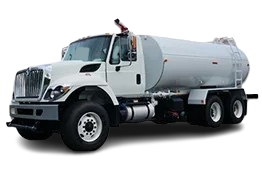
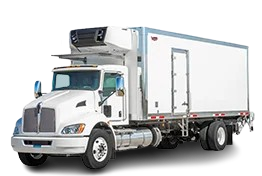

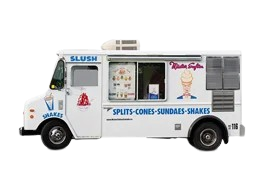
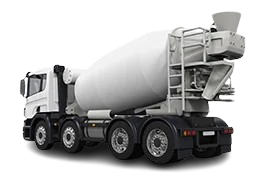
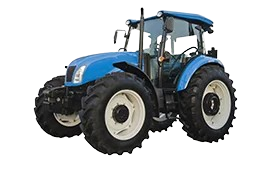
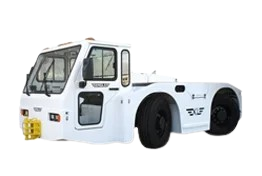
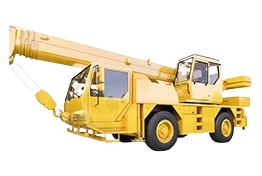
For commercial vehicle operators, clear visibility isn’t a “nice to have.” It’s what helps drivers reverse into loading docks, handle tight city stops, and work safely around people and equipment.
But here’s the catch: when you’re choosing a camera system, resolution (720P/1080P) doesn’t guarantee usable visibility. A sharp image can still turn into a silhouette at a backlit dock—or wash out when a truck exits a tunnel into full sun.
That’s why wide dynamic range (WDR) matters. WDR helps a camera hold detail in both bright and dark areas of the same scene, so the video stays readable when lighting changes fast.
What Is Wide Dynamic Range (WDR)?
Wide Dynamic Range (WDR) is an imaging technology that allows a camera to capture clear details in both extremely bright and dark areas within the same scene.
Without WDR, cameras often struggle in high-contrast environments. If the camera adjusts exposure for bright sunlight, darker areas may become too dark to identify pedestrians or obstacles. If it compensates for shadows, bright areas may become overexposed and lose important details.
By intelligently balancing multiple exposure levels, WDR produces a more natural and detailed image, allowing drivers to recognize surrounding objects more easily.
Why Lighting Conditions Matter for Commercial Vehicles
Unlike passenger vehicles, commercial vehicles operate in a wide variety of environments throughout the day.
Typical lighting challenges include:
- Driving directly toward the rising or setting sun
- Entering or exiting tunnels
- Loading docks with bright outdoor light and dark interiors
- Underground parking facilities
- Night driving with headlight glare
- Rainy weather with reflections from wet roads
- Construction sites with mixed lighting conditions
These situations can significantly reduce the effectiveness of conventional vehicle cameras. When important image details disappear due to poor exposure, drivers may have difficulty identifying nearby vehicles, workers, cyclists, or other obstacles.
Real-World Scenarios Where WDR Makes a Difference
- Driving Into Strong Sunlight
Direct sunlight can cause conventional cameras to produce washed-out images where lane markings, traffic signs, and nearby vehicles become difficult to distinguish.
A WDR camera automatically balances the exposure, allowing important road details to remain visible.
- Entering or Leaving Tunnels
The rapid transition between bright daylight and a dark tunnel is one of the most demanding situations for vehicle cameras.
Without WDR, the tunnel entrance may appear excessively bright while the interior remains too dark.
With WDR, the camera adjusts quickly to preserve visibility throughout the transition.
- Night Driving and Headlight Glare
Commercial vehicles often operate during nighttime deliveries or long-distance transportation.
Bright headlights from oncoming traffic and reflections from wet roads can create excessive glare, reducing image quality.
WDR minimizes overexposure while maintaining visibility in darker areas, providing drivers with a clearer view of the road.
- Reversing at Loading Bays
Loading docks frequently combine strong daylight with dim indoor environments.
Without balanced exposure, warehouse workers, forklifts, pallets, or other obstacles may be difficult to identify.
WDR improves image balance, making reversing operations safer and more efficient.
Benefits of WDR in Commercial Vehicle Camera Systems
Integrating WDR into commercial vehicle camera systems offers several practical advantages:
- Clearer images in high-contrast lighting
- Improved visibility during sunrise and sunset
- Better performance inside tunnels and parking structures
- Reduced glare from headlights and reflective surfaces
- Enhanced recognition of pedestrians, cyclists, and surrounding vehicles
- Greater driver confidence during reversing and low-speed maneuvering
- Higher-quality video recordings for fleet management and incident review
For commercial vehicles that operate long hours under constantly changing conditions, these benefits contribute to safer and more reliable daily operations.
WDR is More Important Than Resolution Alone
A common misconception is that higher resolution automatically means better image quality.
In reality, even a 1080P camera can produce poor images if lighting conditions are unfavorable.
For commercial vehicle applications, image quality depends on several technologies working together, including:
- Wide Dynamic Range (WDR)
- High-quality image sensors
- Professional optical lenses
- Low-light performance
- Image processing technology
- Stable frame rates
- Low-latency video transmission
A well-designed camera combines all of these features to deliver consistent visibility throughout the day.
AOTOP Commercial Vehicle Camera Solutions with WDR Technology
To meet the demanding requirements of commercial vehicle applications, many AOTOP HD vehicle cameras incorporate Wide Dynamic Range (WDR) technology to deliver clear and balanced images throughout the day.
WDR is available across a wide range of AOTOP vision solutions, including:
- Rear View Backup Camera Systems
- Side View Camera Systems
- AI Detection Camera Systems
- 360° Surround View Systems
- Wireless Camera Systems
- Electronic Mirror Camera Monitor Systems (CMS)
Combined with HD imaging, infrared night vision, low-latency video transmission, IP69K waterproof protection, and durable construction for harsh operating environments, these camera systems provide reliable visibility for trucks, buses, construction equipment, agricultural machinery, mining vehicles, and other commercial applications.
Whether operating under intense sunlight, inside tunnels, or during nighttime deliveries, AOTOP camera systems equipped with WDR help drivers maintain clearer visibility and improve overall operational safety.
Conclusion
Commercial vehicle camera systems operate in constantly changing lighting environments where traditional cameras may struggle to provide clear images.
Wide Dynamic Range (WDR) technology helps overcome these challenges by balancing bright and dark areas within the same scene, allowing drivers to better recognize vehicles, pedestrians, cyclists, and obstacles. From strong sunlight and tunnels to loading docks and nighttime glare, WDR plays an important role in improving visibility and supporting safer driving decisions.
As the commercial vehicle industry continues to adopt advanced vision technologies, WDR has become an essential feature rather than an optional upgrade. By integrating WDR into many of its HD camera solutions, AOTOP delivers dependable image quality and reliable performance for a wide range of commercial vehicle applications, helping fleet operators, OEMs, and equipment manufacturers enhance safety in real-world operating conditions.