
Field of view (FOV) in a vehicle camera is the angular extent of the scene captured by the camera, measured in degrees. It determines how much of the area behind, beside, or ahead of a vehicle appears in the image.
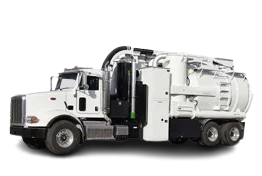
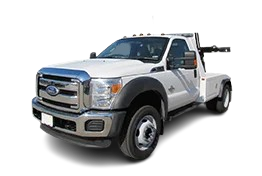
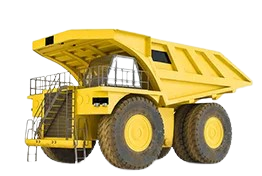
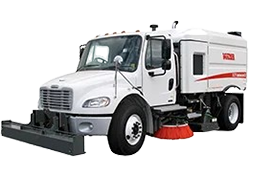
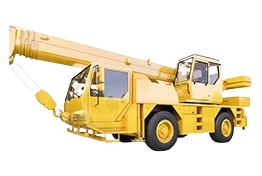
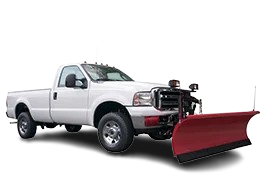
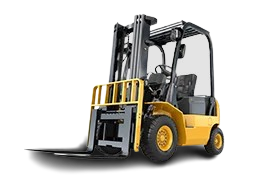
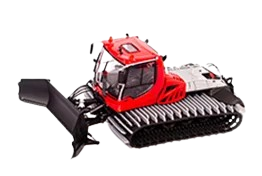
For trucks, buses, delivery vans, and industrial vehicles, FOV influences the coverage available for reversing, maneuvering, and monitoring surrounding traffic. Choosing an appropriate viewing angle requires balancing scene coverage, object detail, and installation geometry.
How is Vehicle Camera FOV Measured?
Vehicle camera FOV is measured horizontally, vertically, or diagonally. Each measurement describes a different dimension of the image, so buyers should compare specifications using the same direction.
| Measurement | Definition | Practical Relevance |
|---|---|---|
| Horizontal FOV | Angular coverage from left to right | Shows how widely the camera covers the area across the vehicle |
| Vertical FOV | Angular coverage from top to bottom | Determines how much ground and upper scene can appear together |
| Diagonal FOV | Angular coverage between opposite image corners | Describes coverage across the image diagonal |
For the same rectangular image, diagonal FOV is generally larger than horizontal FOV. A camera advertised with a 150° diagonal angle does not necessarily provide more horizontal coverage than one specified at 120° horizontally.
Always confirm what an advertised angle represents before comparing vehicle cameras.
What Determines a Camera’s Field of View?
Lens focal length and active sensor size determine optical FOV. With the same sensor size, a shorter focal length produces a wider viewing angle, while a longer focal length produces a narrower angle. Edmund Optics explains the relationship between focal length, sensor size, and FOV.
Image processing can change the final coverage shown to the driver. Digital zoom, cropping, and distortion correction may remove portions of the original image.
Mounting height and tilt determine where the camera’s view falls around the vehicle. Tilting a rear camera downward brings more nearby ground into view, while tilting it upward includes more distant surroundings. These adjustments redirect coverage without changing the lens’s optical angle.
Is a Wider Field of View Always Better?
A wider FOV captures more of the surroundings, but broader coverage can reduce the detail available for individual objects.
At the same image resolution, spreading pixels across a wider scene generally makes a particular object smaller in the image at a fixed distance. A nearby bollard may remain easy to see, while a distant obstacle becomes less recognizable.
Wide-angle lenses can also produce visible distortion. Straight lines may appear curved, and objects near the edges may look stretched. The extent depends on lens design and image processing.
For close-range reversing, broad coverage can help drivers monitor rear corners. For observing traffic farther behind a vehicle, a narrower view may provide more useful object detail. The viewing task should guide the choice.
Which FOV Suits Different Vehicle Camera Applications?
The suitable FOV covers the required operating area while keeping important objects large enough to interpret. Different camera positions therefore require different coverage priorities.
Rear View and Reversing Cameras
Rear cameras should show the intended reversing zone, including relevant rear corners and nearby obstacles. Evaluate the closest visible ground point as well as coverage farther behind the vehicle.
A camera mounted high on a truck body may provide a useful overview, but its downward tilt affects how much distant activity remains visible. Bumpers, lifting equipment, and trailer structures can also obstruct the image.
Side View Cameras
Side cameras should cover the selected area alongside the vehicle, such as the space near doors, wheels, or trailer sides.
A wide lens cannot compensate for a poorly positioned camera. Check whether body panels or equipment block the required viewing zone, particularly on vehicles with changing load configurations.
Front View Cameras
Front cameras may support close maneuvering or observation farther ahead. These tasks place different demands on coverage and detail.
A camera aimed at the ground immediately ahead of a large vehicle needs different installation geometry from one intended to record the road. Define the required scene before selecting the lens.
How Should Fleet Buyers Evaluate Camera FOV?
Fleet buyers should evaluate FOV through both specification checks and a representative installation test.
- Define the viewing zone. Identify the areas and distances that must be visible.
- Confirm the angle direction. Request horizontal and vertical specifications where available.
- Record mounting geometry. Document mounting height, tilt, and nearby obstructions.
- Inspect the monitor image. Check cropping, image orientation, and object size in the selected display layout.
- Test realistic conditions. Place stationary targets at relevant locations and review visibility in daylight and darkness.
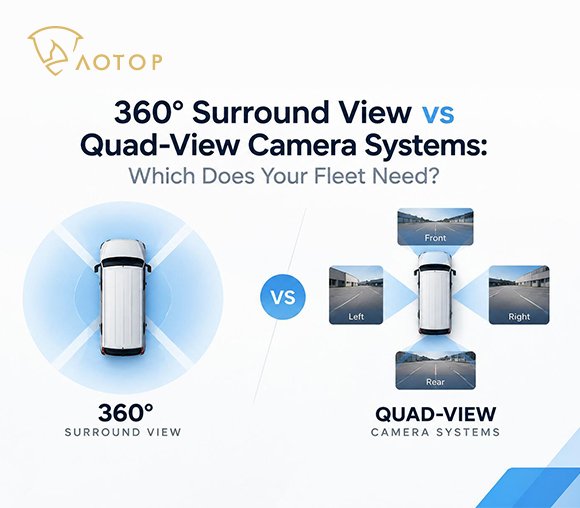
For multiple-camera systems, inspect each channel separately and in split-screen mode. Dividing a monitor into several views reduces the displayed size of each image.
Repeat testing when vehicle dimensions or mounting positions change. An installation that works on one truck body may leave important gaps on another.
Frequently Asked Questions
Does a 180° Camera Eliminate All Blind Spots?
No. A 180° specification describes angular coverage in a stated direction. Vehicle structures, camera placement, and image cropping can still leave areas outside the usable view.
Is Camera FOV the Same as Monitor Viewing Angle?
No. Camera FOV describes the scene captured by the camera. Monitor viewing angle describes the positions from which someone can view the screen.
Does Higher Resolution Increase FOV?
No. Higher resolution increases the number of image pixels. FOV depends on the optical configuration and active image area. Additional pixels can support more detail within a given view.
Selecting a Vehicle Camera for Your Application
Choose a vehicle camera by matching coverage to the task, then verify the installed image. Horizontal and vertical angles, mounting geometry, resolution, and monitor layout should all inform the decision.
When discussing a project with AOTOP, provide the vehicle type, proposed camera location, mounting height, and required viewing zone. These details create a practical starting point for selecting a camera system suited to your fleet or equipment application.