




Key Takeaways:
IP69K is the highest ingress protection rating for vehicle electronics, certifying dust sealing and resistance to high-pressure, high-temperature washdowns.
Unlike IP68 (static submersion), IP69K tests dynamic spraying at 80–100 bar pressure and 80°C (176°F) water temperature.
Verified IP69K cameras prevent lens fogging, circuit corrosion, and fleet downtime in commercial vehicles.
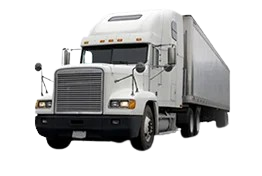
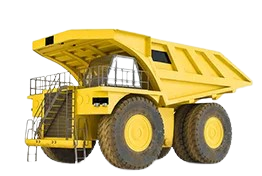
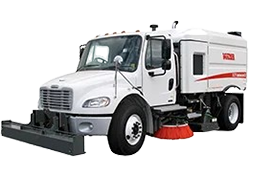
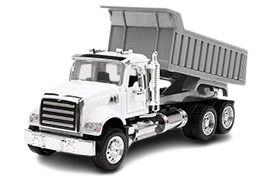
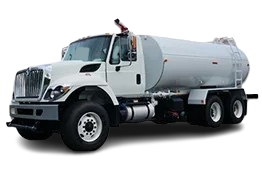
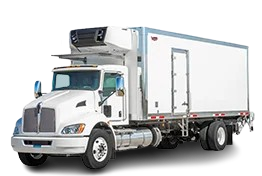
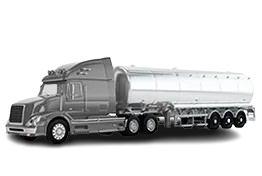
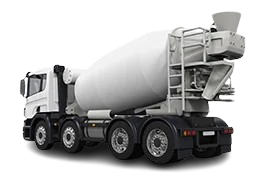
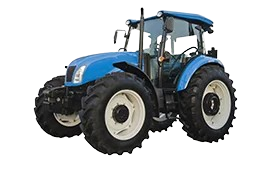
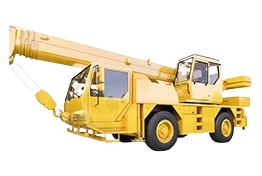
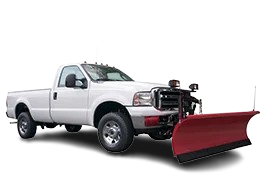
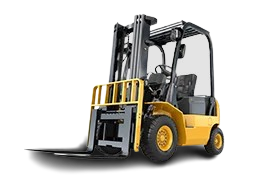
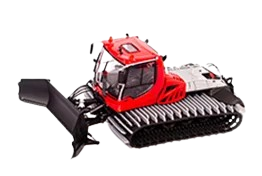
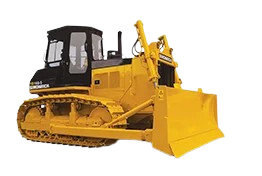
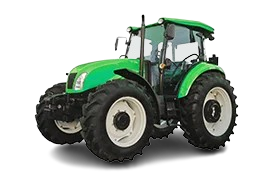
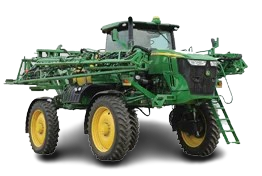
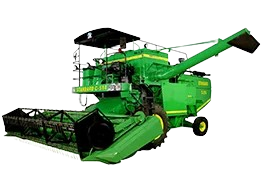
Commercial fleet operators face a constant challenge: keeping exterior cameras functional in harsh environments. Heavy trucks, concrete mixers, refuse vehicles, and agricultural machinery operate through mud, rain, and road salt. Furthermore, these vehicles undergo regular high-pressure washing and steam cleaning in wash bays.
Standard backup cameras often fail after a few wash cycles. Water forces past rubber gaskets, causing lens fogging, blurry video feeds, or shorted electronics. Understanding the IP69K waterproof rating for vehicle cameras is critical for fleet managers and OEMs specifying hardware that survives aggressive cleaning routines.
Understanding the IP Rating System: What Does IP69K Stand For?
The Ingress Protection (IP) rating system, defined under IEC 60529 and specialized for road vehicles in ISO 20653 and DIN 40050-9 standards *, classifies how enclosures seal out solids and liquids.
An IP rating consists of two digits:
-
First Digit (Solid Protection – 6): Represents the highest protection against solids. It certifies that the enclosure is dust-tight, preventing airborne grit and fine particles from entering the camera.
-
Second Digit & Letter (Liquid Protection – 9K): Represents the most severe liquid ingress test, measuring resistance to close-range, high-pressure, high-temperature water jets sprayed from multiple angles.
While standard IEC rules cap water protection at IP68, the automotive “K” suffix was created explicitly for road vehicles subjected to severe pressure washing and steam cleaning.
The IP69K Laboratory Test: How It Works
To earn IP69K certification, a camera must pass a chamber test simulating extreme industrial wash bays. The camera rests on a turntable rotating at 5 RPM. A high-pressure spray nozzle blasts the device under exact parameters:
-
Water Pressure: 80 to 100 bar (1,160 to 1,450 psi).
-
Water Temperature: 80°C ± 5°C (176°F).
-
Flow Rate: 14 to 16 liters per minute.
-
Spray Distance: 100 mm to 150 mm (4 to 6 inches).
-
Spray Angles: Directed at 0°, 30°, 60°, and 90° relative to horizontal.
-
Test Duration: 30 seconds per angle (2 minutes total).
If zero water penetrates the housing, the camera receives official IP69K approval.
IP67 vs. IP68 vs. IP69K: Key Differences for Commercial Fleets
A common misconception among buyers is that IP68 is superior to IP69K. In reality, IP68 and IP69K evaluate completely different physical stresses.
-
IP67: Protects against temporary immersion in static water up to 1 meter for 30 minutes. Suitable for light rain, but incapable of handling pressure washers.
-
IP68: Protects against continuous submersion in still water deeper than 1 meter. Ideal for underwater gear, but uncertified for high-velocity, heated water spray.
-
IP69K: Built specifically for high-pressure, high-temperature dynamic washdowns—the gold standard for commercial vehicles.
|
Feature / Standard |
IP67 |
IP68 |
IP69K |
|---|---|---|---|
|
Solid Protection |
Dust-tight (6) |
Dust-tight (6) |
Dust-tight (6) |
|
Water Dynamic Type |
Static immersion |
Continuous submersion |
High-pressure hot water jets |
|
Max Water Temp |
Ambient |
Ambient |
80°C (176°F) |
|
Water Pressure |
Low (0.1 bar) |
Medium static pressure |
Extremely High (80–100 bar) |
|
Primary Use Case |
Consumer cars, rain |
Submersible gear |
Commercial trucks, wash bays |
When an IP68 camera is cleaned with an 80 bar pressure washer, water velocity deforms internal rubber seals. Additionally, cold camera housings blasted with 80°C water undergo thermal shock, drawing moisture past standard o-rings. Only IP69K testing verifies resistance to both high pressure and thermal shock.
Why Commercial Vehicles Require IP69K Cameras
Commercial fleet operations demand camera hardware that withstands daily environmental strain. Installing IP69K-rated units provides several clear advantages:
1. Eliminating Condensation and Lens Fogging
When water vapor enters a camera housing, it condenses on interior glass during temperature shifts, creating a cloudy image. Hermetically sealed IP69K enclosures prevent moisture ingress, resolving issues in camera moisture and foggy lens troubleshooting *.
2. Preventing Internal Circuit Corrosion
Wash solutions contain harsh detergents and road salt residues. Internal moisture rapidly corrodes copper traces and image sensors, causing short circuits.
3. Reducing Unplanned Fleet Downtime
For logistics fleets and waste transport, camera failure forces vehicles offline to meet safety mandates. Equipping vehicles with heavy-duty commercial rear view cameras * protects operational uptime and reduces replacement costs.
Choosing Reliable IP69K Camera Systems for Your Fleet
When selecting camera suppliers, verify that IP69K claims are backed by official lab certifications. Opt for hardware built with heavy-duty die-cast aluminum or stainless steel housings, anti-corrosion coatings, impact-resistant glass, and waterproof 4-pin aviation connectors.
Advanced vision systems pair durable sealing with high-performance optics, utilizing specialized commercial vehicle camera sensors * for clear visibility in low light.
As a trusted manufacturer with over 21 years of commercial vehicle safety experience, AOTOP produces ISO 9001 and IATF 16949 compliant IP69K vision solutions engineered for global fleet operators and OEMs.
Final Thoughts & Next Steps
Specifying IP69K waterproof cameras is a vital investment for commercial fleets working in harsh or high-sanitation environments. By choosing hardware tested to withstand 100 bar pressure at 80°C, fleet operators protect driver safety, ensure compliance, and eliminate preventable maintenance expenses.
Need Reliable Vision Systems for Your Fleet?
Explore field-proven IP69K backup cameras, side-view monitoring systems, and customizable OEM/ODM solutions built for heavy-duty commercial vehicles.