


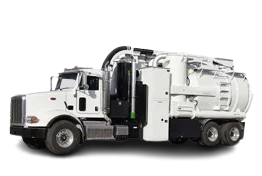
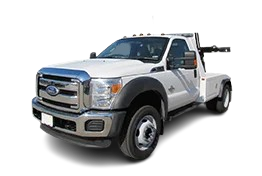
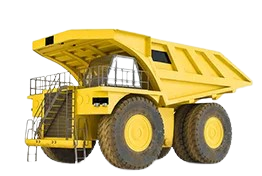
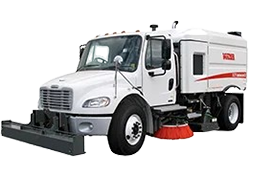




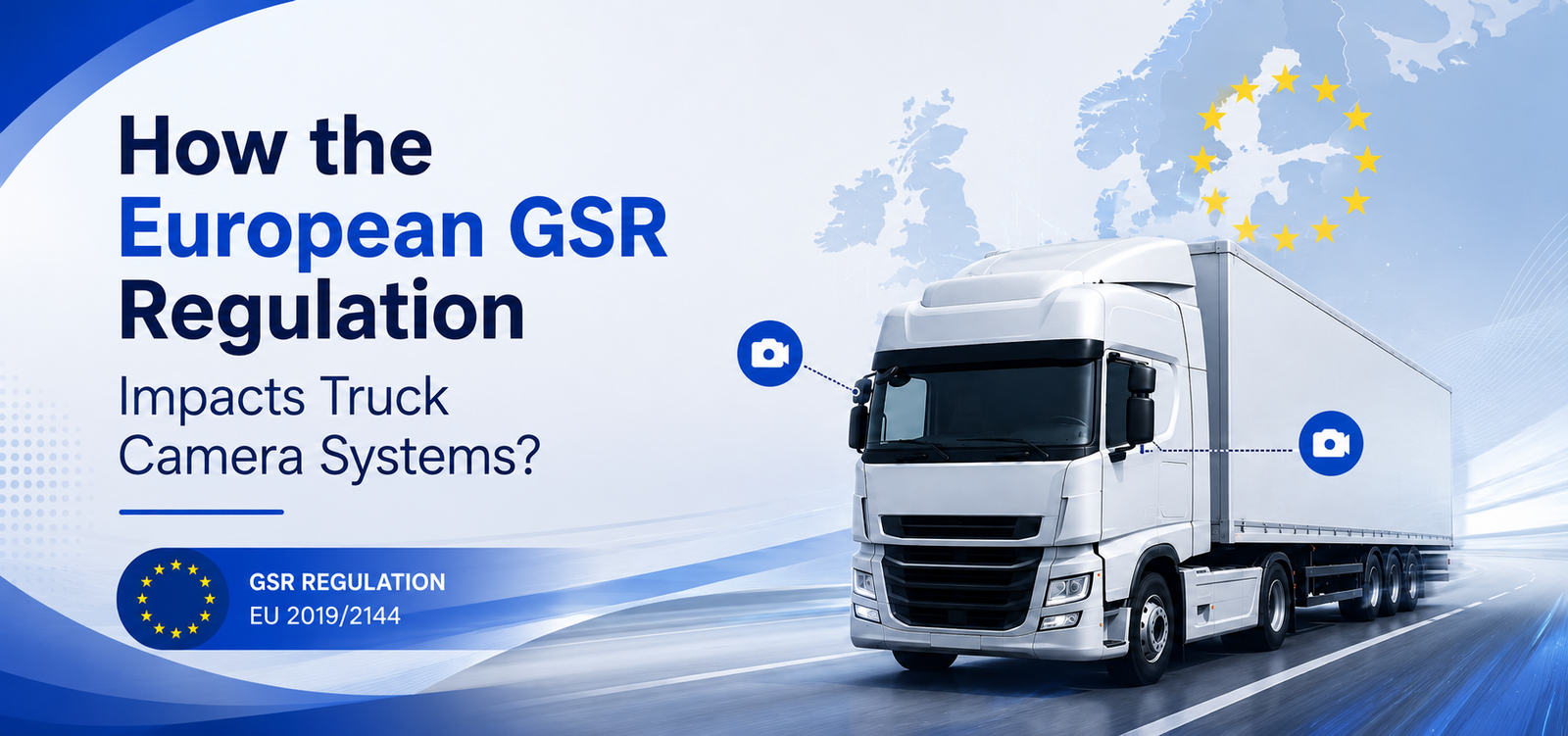
European road safety policy is steadily raising expectations for how well heavy vehicles manage blind spots, reversing risk, and vulnerable road user (VRU) protection. The EU’s General Safety Regulation (GSR) doesn’t mandate one specific camera brand or architecture, but it does move camera- and sensor-based visibility aids from “nice to have” toward “expected baseline.” For OEMs, suppliers, and fleets, that shift changes specification decisions, validation effort, and retrofit priorities.
Industry or Regulation Background
The EU General Safety Regulation (GSR) refers to Regulation (EU) 2019/2144, a type-approval framework that introduces mandatory safety technologies in phases. The European Commission summarises that the revised regulation applies from July 2022 for new vehicle types and extends to all new vehicles from July 2024, with additional measures expanding further in later years (European Commission overview of the GSR *).
In its public communications, the Commission highlights requirements that are directly relevant to camera-based safety: reversing detection using a camera or sensors for road vehicles, and for trucks and buses a stronger focus on blind-spot awareness and warnings intended to prevent collisions with pedestrians or cyclists (EU Commission update on mandatory driver assistance systems, 2024 *).
Why the Issue Matters for Commercial Vehicles
Trucks operate with visibility constraints that become most dangerous at low speed.
-
Blind spots are largest near the passenger-side front corner and alongside the trailer, where cyclists and pedestrians can disappear during turns.
-
Reversing happens in depots, municipal routes, construction sites, and urban delivery bays—environments where people move unpredictably.
-
Poor visibility is normal: rain spray, darkness, glare, and dirty lenses/mirrors are part of daily operations.
These realities make Commercial Vehicle Safety less about adding one more procedure and more about improving the quality and timing of the driver’s information.
Limitations of Traditional Solutions
Traditional controls still matter—mirror adjustment, walk-arounds, spotters, and training—but they don’t scale perfectly.
Mirrors can improve coverage, yet they still require the driver to scan multiple zones and interpret different image sizes while managing traffic ahead. Procedures such as walk-arounds reduce risk but can be missed under time pressure or when a spotter isn’t available. In other words, traditional measures are valuable, but they depend heavily on perfect human consistency.
How the Truck Camera System is Becoming Essential
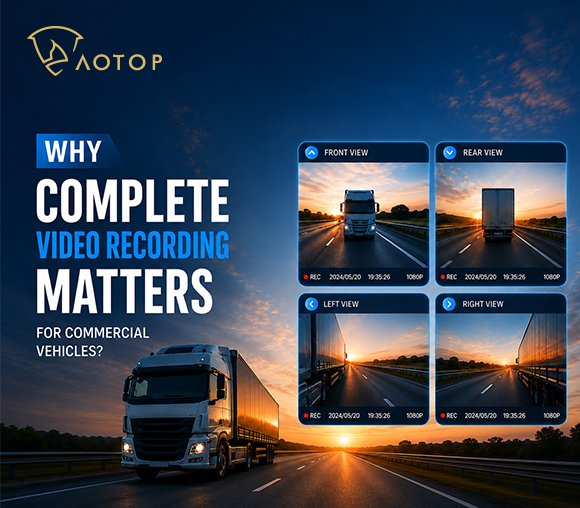
A modern Truck Camera System helps convert “uncertainty zones” into visible, checkable areas.
Rear View Camera and Reversing Visibility
A Rear View Camera provides direct confirmation of what’s behind the vehicle at the exact moment of reversing—useful for docking, coupling, and yard manoeuvres. This aligns with the broader regulatory direction toward reversing-awareness aids. At the technical-regulation layer, reversing motion requirements are addressed in UNECE Regulation No. 158 (UN Regulation No. 158 on reversing motion *).
Side View Coverage and Blind Spot Risk
Side cameras support safer lane changes and turns by improving visibility along the vehicle’s flanks. They also create the foundation for camera-based Blind Spot Detection approaches where the driver gets a visual feed plus contextual cues.
Electronic Mirror System for Indirect Vision
An Electronic Mirror System (camera-monitor system) can replace or supplement conventional mirrors with cameras and in-cab displays. For OEM programmes, this is increasingly treated as a type-approved visibility function rather than accessory video. Indirect vision requirements, including camera-monitor systems, are addressed under UNECE Regulation No. 46 (UN Regulation No. 46 on indirect vision *).
Key Takeaway: GSR-driven safety expectations push fleets and OEMs toward visibility systems that are standardised, testable, and usable in real manoeuvres—not just “more mirrors.”
AI and Intelligent Safety Technology Trends
Camera adoption is also being shaped by AI. Fleets and OEMs want video systems that reduce workload, not add another screen to watch.
An AI BSD System typically aims to detect and prioritise relevant objects (e.g., a cyclist approaching on the passenger side) and to reduce false alerts caused by shadows, rain streaks, or roadside clutter. Similarly, AI pedestrian detection is becoming a practical requirement in low-speed environments where VRU exposure is highest.
In this context, ADAS for Trucks is trending toward targeted assistance—warnings and context at the moments risk spikes—rather than broad automation.
Multi-Camera and 360° Monitoring Development
Single cameras solve single problems. Multi-camera setups aim to make close-proximity awareness repeatable across vehicles and drivers.
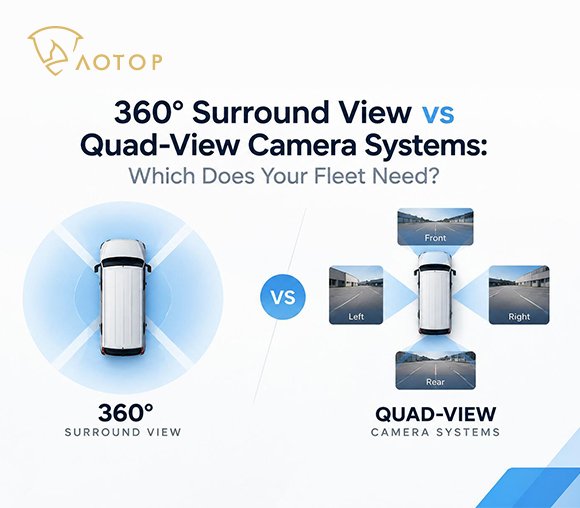
A 360 Surround View System combines multiple camera feeds to show the vehicle’s perimeter in one view. In operations, it’s commonly valued for tight urban turns, depot manoeuvres, curbside delivery, and work zones where people move around the truck.
The practical requirement is discipline: camera placement, display layout, and driver training must be consistent, or a multi-camera system can become distracting.
Impact on OEM Manufacturers and Suppliers
GSR-era expectations change how OEMs and suppliers plan camera programmes.
-
Design integration: camera and display placement becomes part of the vehicle architecture, not a late-stage option pack.
-
Validation and documentation: suppliers must support repeatable fields of view, defined behaviours, and environmental robustness.
-
Human factors: usability matters. A system that increases distraction can undermine safety even if it is technically compliant.
-
Lifecycle support: cleaning, inspection, diagnostics, and replacement planning matter more because cameras are exposed components.
Aftermarket Opportunities and Fleet Upgrades
Most fleets can’t replace vehicles fast enough to rely only on factory-fit improvements, so retrofit remains important for Fleet Safety.
Aftermarket success usually depends on three basics: correct mounting and setup, training drivers on how to use the views and alerts, and maintaining the system so it stays reliable in bad weather and dirty environments.
In the UK and EU, fleets also need privacy governance. The UK Information Commissioner’s Office explains that organisations using vehicle cameras should justify their use, inform people appropriately, and manage access and retention responsibly (ICO guidance on dashcams and UK GDPR *).
Future Trends in Commercial Vehicle Safety
Several developments are likely over the next few years:
-
More integration and sensor fusion: pairing camera feeds with radar/ultrasonic sensing to improve performance in spray, fog, or low contrast.
-
Clearer procurement metrics: buyers asking for defined coverage zones, alert logic, and acceptable false-alert rates.
-
Connected workflows: video and events linked to maintenance and training processes, improving repeatability across fleets.
Conclusion
The European GSR is accelerating a shift in expectations: heavy vehicles are increasingly judged by how reliably they manage reversing risk, blind spots, and VRU exposure in everyday conditions. That makes camera systems—rear, side, electronic mirrors, AI-assisted detection, and 360° monitoring—more central to compliance planning and operational safety.
For OEMs and suppliers, the priority is to deliver camera-based safety functions that are validated, usable, and maintainable. For fleets, the practical path is to treat a Heavy Duty Vehicle Camera setup as part of a programme: consistent installation, clear driver training, and disciplined maintenance—so the safety benefit holds up long after the initial rollout.