
Blind spots don’t show up in a KPI dashboard until they become a near-miss, a claim, or a preventable injury. And commercial fleets face a harder version of the problem than passenger cars: longer vehicles, more varied duty cycles, and operating environments that swing from highways to yards to jobsites.
So when a fleet manager or OEM team evaluates sensors, the real question isn’t “Which is more advanced?” It’s: Which approach improves driver awareness and reduces risk in the conditions we actually run—without creating alert fatigue or maintenance burden?
Key Takeaways
-
Radar is strong at detection because it measures distance and relative speed well.
-
Cameras are strong at visibility and context, and AI can add object classification and risk-zone alerts.
-
In many deployments, the best outcome comes from camera radar sensor fusion tuned to the duty cycle.
-
“Better” depends on environment, driver workflow, and how you maintain sensors in the field.
Quick Comparison: AI Camera vs Radar
| Criteria | AI camera systems | Radar |
| Best at | Seeing and understanding the scene |
Detecting presence, range, and closing speed |
| Struggles with | Glare, fog, low light, dirty/obstructed lenses |
Limited object “type” detail without fusion; sensor blockage still matters |
| Typical wins | Backing, docking, curbside stops, tight yards |
Lane-change risk, closing-speed warning, low-visibility detection |
| Most common real-world answer | Often paired with radar for redundancy | Often paired with cameras for confirmation |
AI Camera vs Radar: Evaluation Criteria for Fleets
1) Detection vs Visibility
Radar excels at detection. It directly measures range and relative velocity—an advantage summarized in Keysight’s automotive radar overview (2024) *.
Cameras excel at visibility. They show what’s actually beside or behind the vehicle, which matters most in low-speed and close-proximity scenarios.
Where AI changes the camera story is turning video into prompts: AI detection in vehicle camera systems can define risk zones and trigger visual/audible warnings when an object enters them (see this explainer on AI detection in vehicle camera systems *).
Key Takeaway: If your pain is “drivers can’t see it,” start with cameras. If your pain is “we can’t reliably detect closing hazards,” radar belongs on the shortlist.
2) Performance in Poor Visibility
Commercial operations include rain, spray, dust, nighttime routes, and harsh glare. In general, radar remains more consistent when lighting is poor because it doesn’t depend on optical contrast.
But “all-weather” has limits. The U.S. DOT ITS Knowledge Resources summary of a field test in adverse weather (2022) * notes that rain can cause temporary sensing errors and that ice can block both radar and vision-based sensors.
Practical implication: plan for inspection and cleaning (and design sensor placement/housings) the same way you plan for mirrors and lights.
3) Object Understanding, False Alerts, and Driver Trust
Fleet leaders care less about a spec sheet and more about what drivers will tolerate.
-
Cameras provide richer context and, with AI, can better separate “person vs vehicle vs background.”
-
Radar is excellent at detecting a target and how fast it’s closing, but it often needs fusion to add “what is it?” confidence.
That’s why “radar vs camera blind spot detection” often ends with a third answer: use both, then tune alerts to real risk zones to reduce nuisance warnings.
4) Installation, Calibration and Maintenance
Both sensors can disappoint if the fleet reality is ignored.
-
Cameras are sensitive to aim and cleanliness. A small shift in mounting angle or a dirty lens can degrade usefulness quickly.
-
Radar is generally less dependent on light, but still depends on correct mounting and can be affected by physical blockage (ice/slush/debris).
For OEMs and upfitters, the lowest-friction approach is to standardize checks: “clean, confirm view/coverage, confirm alerts” on a simple routine.
Where Each Approach Fits Best by Vehicle Type
Think in terms of scenario coverage, not sensor ideology. These examples are intentionally practical.
-
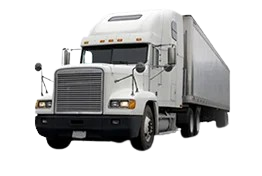
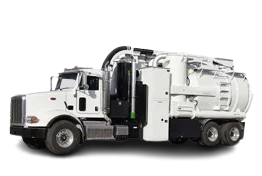
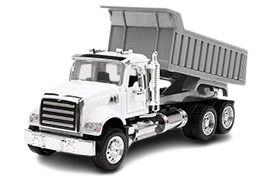
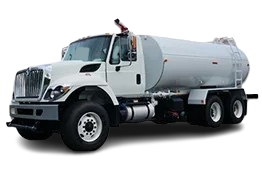
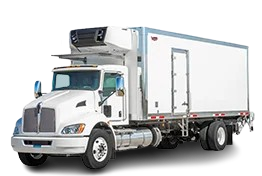
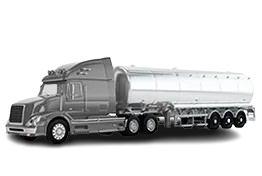
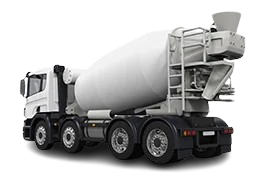
Trucks and tractor-trailers: Radar supports earlier lane-change and closing-speed awareness; cameras support backing, coupling, and side visibility in yards.
-
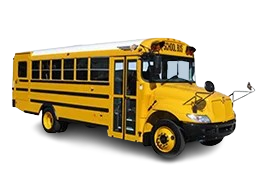
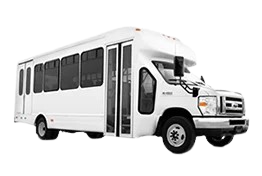
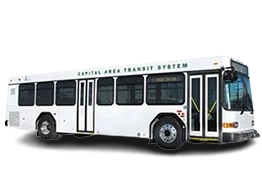
Buses and coaches: Cameras help with curbside visibility and depot maneuvering; radar can add detection robustness in low light and adverse weather.
-
Vans and urban delivery: Camera-first for frequent reversing and tight streets; radar adds value where lane-change risk and low-visibility detection matter.
-
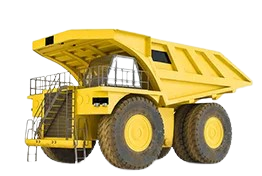
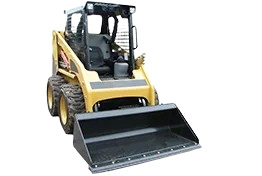
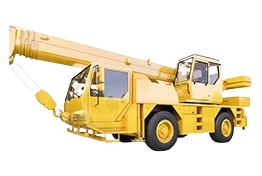
Construction vehicles: Radar helps when dust, darkness, or glare degrade cameras; cameras remain critical when operators need visual confirmation around the machine.
-
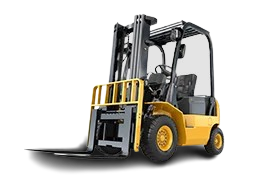
Forklifts and industrial vehicles: Cameras support precise low-speed maneuvering; radar can help maintain detection reliability in challenging visibility.
-
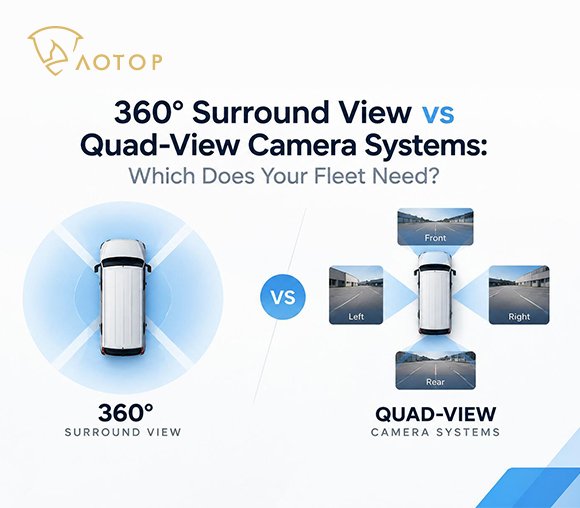
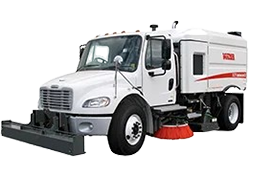
Municipal vehicles: Multi-camera coverage is common for dense, stop-and-go routes. A category example is 360° surround view for commercial vehicles where removing blind spots supports low-speed safety.
This is the practical reason buyers talk about commercial vehicle safety sensors as a system: the best choice is often a layered approach, not a single device.
Trends Shaping Fleet Buying Decisions
-
Higher-resolution radar (often discussed as imaging or “4D” radar) improves target separation and can reduce nuisance alerts in dense environments.
-
Edge AI is pushing cameras from passive recording to real-time warnings and post-event visibility.
-
Digital mirror vs radar is the wrong framing: digital mirrors are a visibility tool (camera + display), while radar is a detection tool. In modern safety architectures, they can complement each other.
Conclusion
For most fleets and OEM programs, the best result isn’t picking a winner. It’s choosing the right mix of fleet blind spot safety technology for your routes, your weather, and your maintenance discipline.
-
Choose cameras/AI cameras when visibility and close-proximity maneuvering drive your risk.
-
Choose radar when detection reliability and closing-speed awareness drive your risk.
-
Choose camera + radar when you operate across mixed conditions and can’t afford a single-sensor failure mode.
A simple next step before any pilot: list your top three scenarios (turns, backing, lane changes), define the “must work” conditions (night, rain, dust, winter), and decide what level of nuisance alerting drivers will accept. That’s how you spec technology that scales—without becoming another screen drivers ignore.